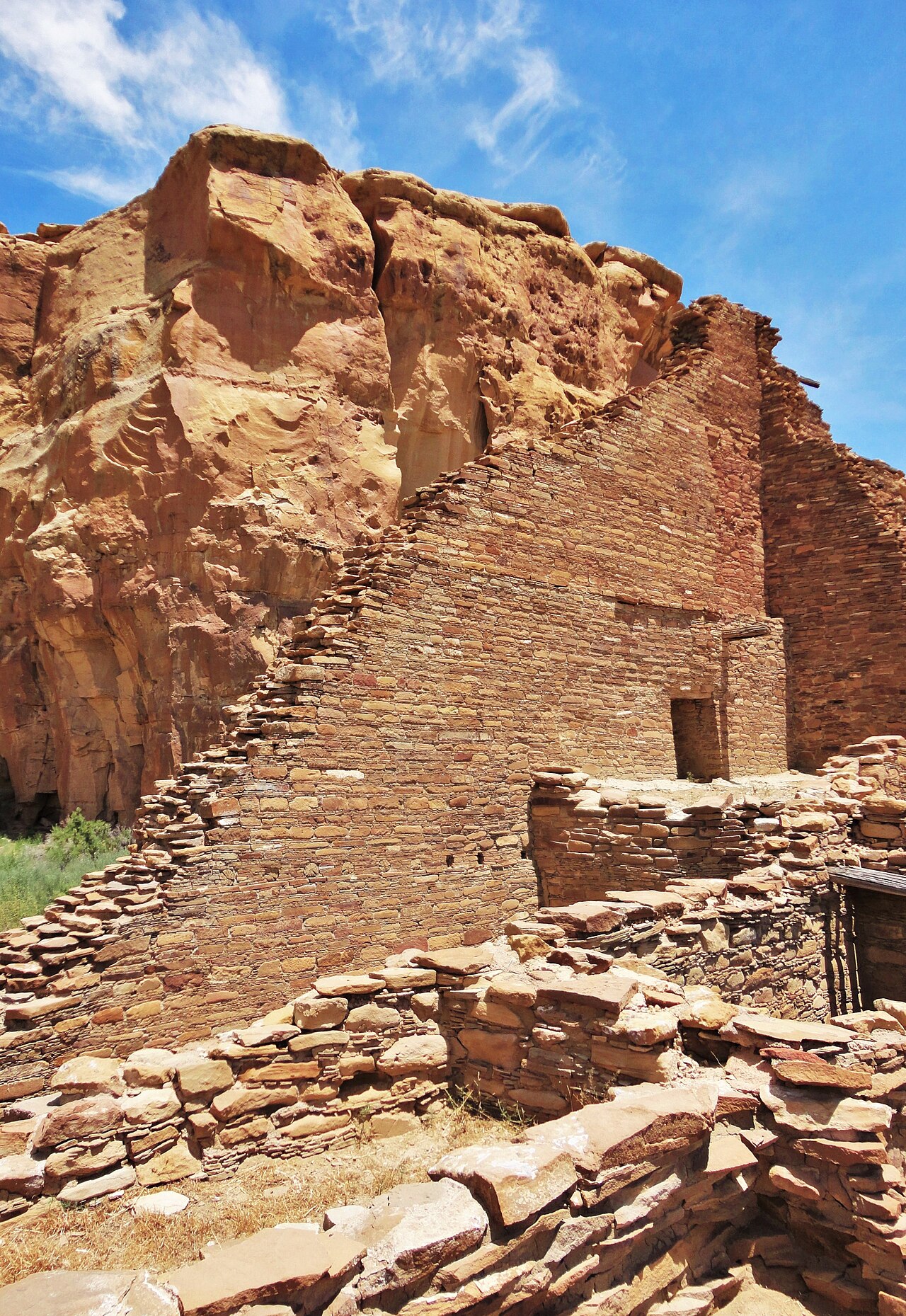
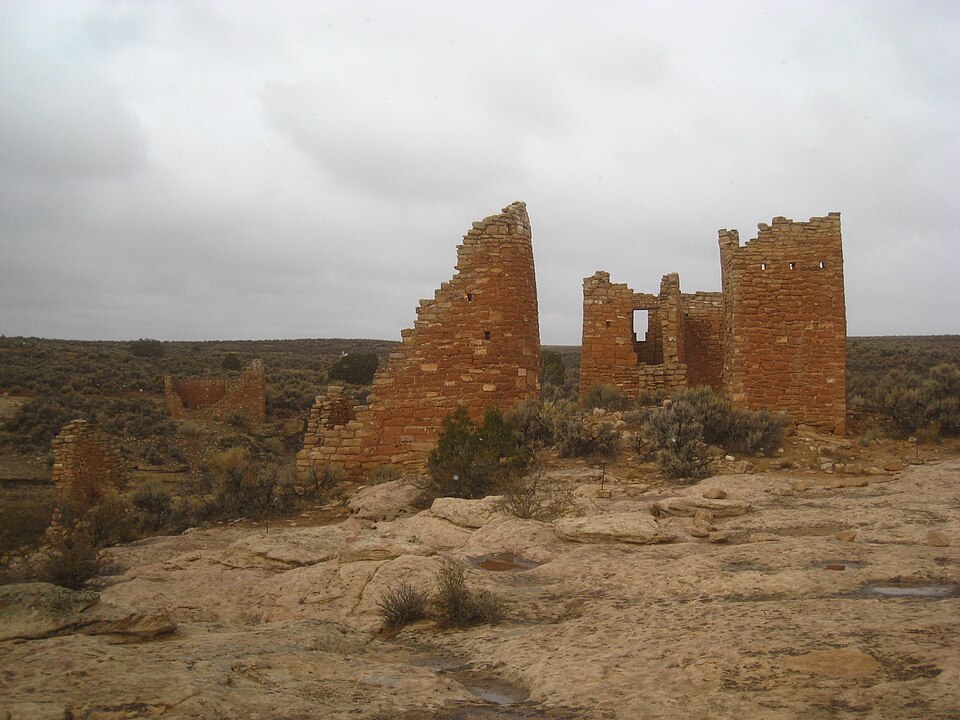
Chaco Canyon grew into a major center of Ancestral Pueblo life from the middle of the ninth century. Its great houses were ambitious, carefully planned buildings, expanded over generations rather than completed in a single campaign. Pueblo Bonito, Una Vida and Peñasco Blanco belong to the earliest group. Later construction connected monumental rooms, plazas and ceremonial spaces with a much wider regional network. By the eleventh century, Chaco linked more than 150 outlying great houses through shared architecture and roads. Orientations toward the sun, moon and cardinal directions also form part of the archaeological record. Changes during the twelfth and thirteenth centuries brought movement toward other communities. That movement did not end the canyon's significance: Pueblo and Navajo people retain relationships with this landscape. Its history is therefore both an archaeological subject and part of continuing Indigenous memory.
Place & context
Living use
It is visited as a protected national historical park, archaeological landscape, and ancestral place with living cultural meaning.
Place & context
Visiting with care
Consult the site’s official guidance before travel. Respect worship, photography restrictions and local custodians.
Approximate orientation; confirm locally before visiting
Presence · An optional practice
A moment with this place.
Read, listen, or simply pause. Begin wherever you are.
◎
Read about this place from wherever you are. Begin with the ancestral context and the source trail. What can you learn before bringing your own interpretation to this landscape? You may pause quietly and breathe naturally, without changing or holding your breath.
A contemporary editorial invitation, not a local ritual instruction. Participation is optional; stop if uncomfortable. Check local access and custodians’ guidance before a visit.
Further profile layers will be added as sources are reviewed.
Nearby & related places
Start in the same state or country, then explore shared traditions and themes. Map references help order the suggestions; they may represent communities rather than entrances.