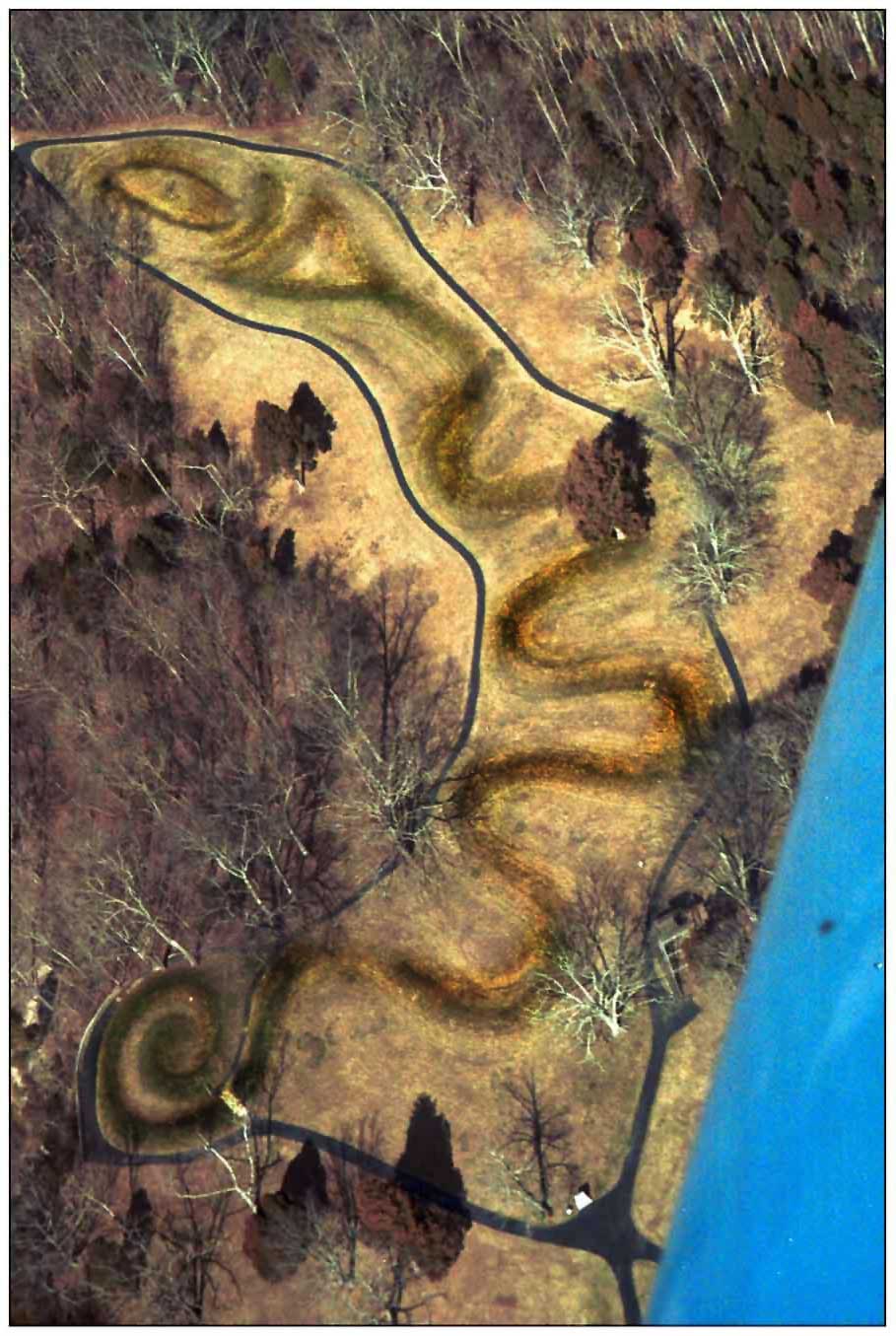
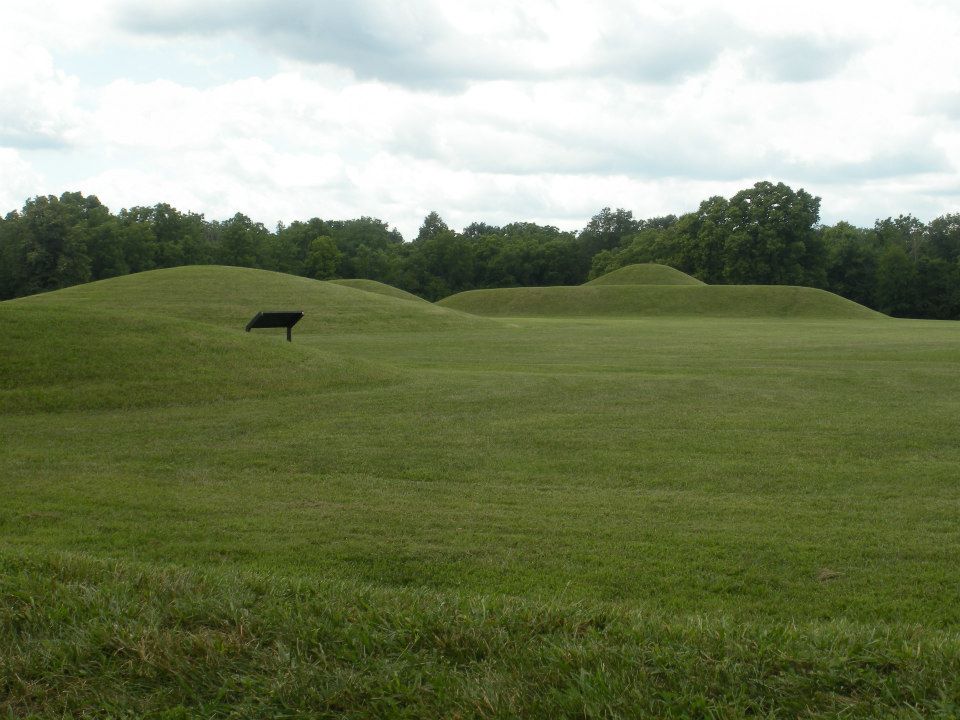
Serpent Mound follows the form of a great snake across a ridge in southern Ohio, ending in a tightly curled tail. Its shape makes it one of the most distinctive surviving Indigenous earthworks in North America, but its construction history remains debated. Nineteenth-century excavation did not recover objects that could securely date the effigy. Later radiocarbon studies have produced different interpretations: work in the 1990s supported a Fort Ancient period date, while subsequent research proposed an earlier Adena origin. Nearby burial mounds include examples associated with both traditions, although their presence does not by itself settle the age of the serpent. The uncertainty is part of the site's history and deserves to remain visible. Visitors can appreciate the scale and deliberate form of the earthwork without treating one disputed chronology or a speculative explanation as established fact.
Place & context
Living use
This entry recognises a place of cultural and religious memory. Archaeological interpretation does not grant visitors authority to recreate ceremonies or enter protected areas.
Place & context
Visiting with care
Check the custodian’s current visitor guidance before travel. Respect worship, restricted areas and photography rules. Do not disturb graves, offerings or archaeological features.
Source trail
Evidence & location
Original introductory profile. Identity and significance checked against the linked source; access and precise site coordinates are separate research items.
Community orientation only: Peebles, Ohio; rounded US Census internal point. This is not the site, trailhead or entrance.
Community orientation only: Peebles, Ohio; rounded US Census internal point. This is not the site, trailhead or entrance.
Presence · An optional practice
A moment with this place.
Read, listen, or simply pause. Begin wherever you are.
◎
Read the place’s story and notice one detail you would like to understand better. Consider the people who care for it. You may pause quietly and breathe naturally.
A contemporary editorial invitation, not a local ritual instruction. Participation is optional; stop if uncomfortable. Check local access and custodians’ guidance before a visit.
Further profile layers will be added as sources are reviewed.
Nearby & related places
Start in the same state or country, then explore shared traditions and themes. Map references help order the suggestions; they may represent communities rather than entrances.