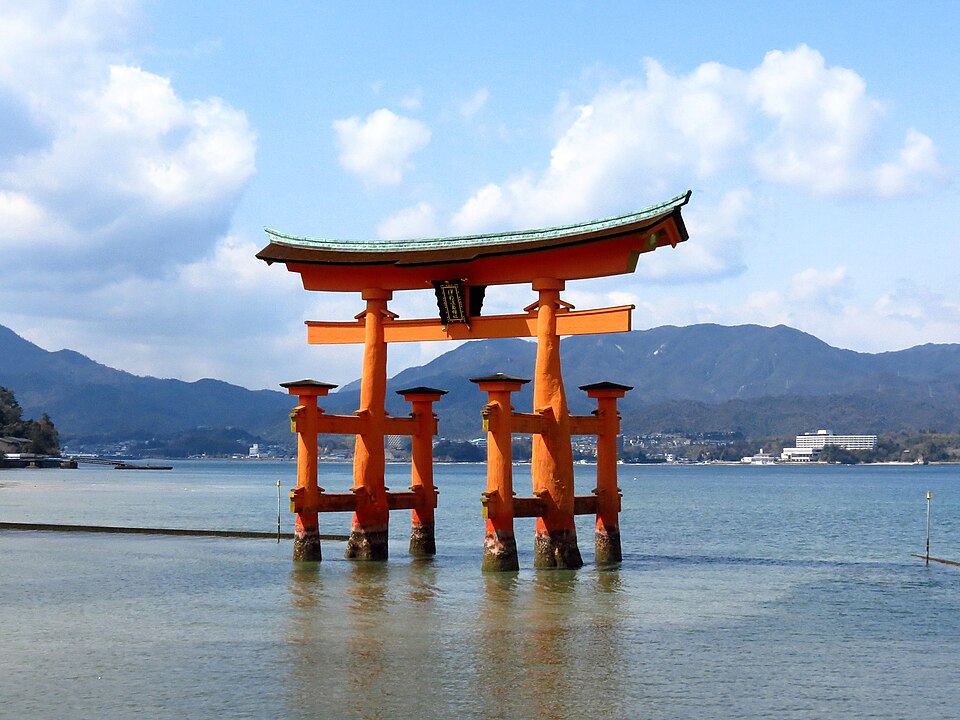
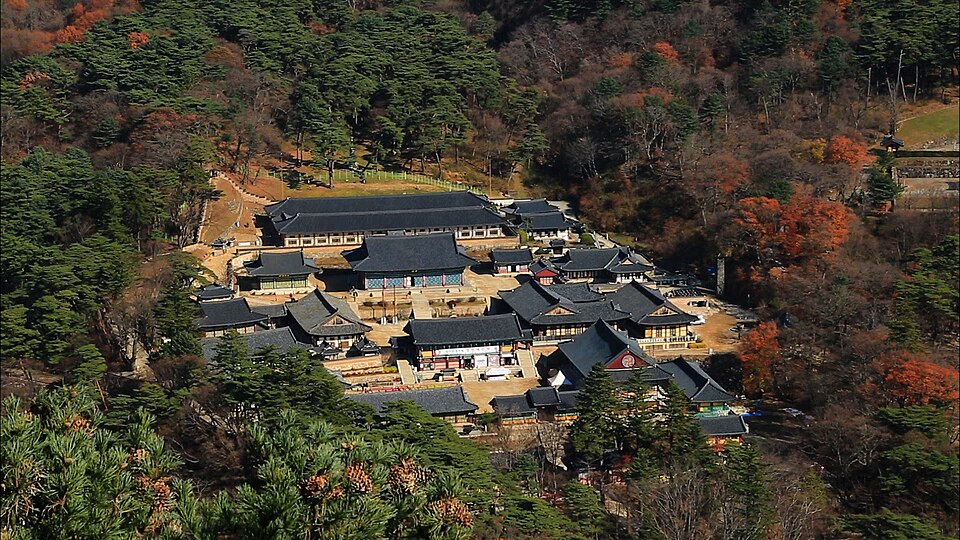
Itsukushima’s shrine architecture places religious buildings between the tidal sea and the wooded slopes of Mount Misen. The medieval ensemble developed under Taira no Kiyomori, and later rebuilding preserved forms associated with the late twelfth and early thirteenth centuries. UNESCO’s protected property includes the shrine complexes and their surrounding landscape, rather than the famous offshore gateway alone. Reading the site as a relationship between buildings, water and mountain helps explain why its setting is central to its heritage significance.
Place & context
Living use
The shrine buildings are owned and managed by the Itsukushima-jinja Religious Organization. Consult the shrine’s custodians for current worship and visitor arrangements.
Place & context
Visiting with care
Check current official travel guidance and the custodian’s access rules before planning a visit. Respect worship, closures, private spaces and photography restrictions. This profile does not confirm that entry is currently possible.
Source trail
Evidence & location
Original introductory synthesis reviewed against UNESCO World Heritage documentation on 2026-10-31. Current access is not verified.
UNESCO World Heritage property reference point, converted from the published degrees/minutes/seconds coordinate; not a surveyed entrance, route or boundary.
Medieval shrine architecture; late 12th- and early 13th-century forms
Location precision
UNESCO World Heritage property reference point, converted from the published degrees/minutes/seconds coordinate; not a surveyed entrance, route or boundary.
Presence · An optional practice
A moment with this place.
Read, listen, or simply pause. Begin wherever you are.
◎
Read the story of Itsukushima Shrine. Notice one detail you would like to understand better, and consider the people for whom this place matters. You may pause quietly and breathe naturally, without changing or holding your breath.
A contemporary editorial invitation, not a local ritual instruction. Participation is optional; stop if uncomfortable. Check local access and custodians’ guidance before a visit.
Further profile layers will be added as sources are reviewed.
Nearby & related places
Start in the same state or country, then explore shared traditions and themes. Map references help order the suggestions; they may represent communities rather than entrances.