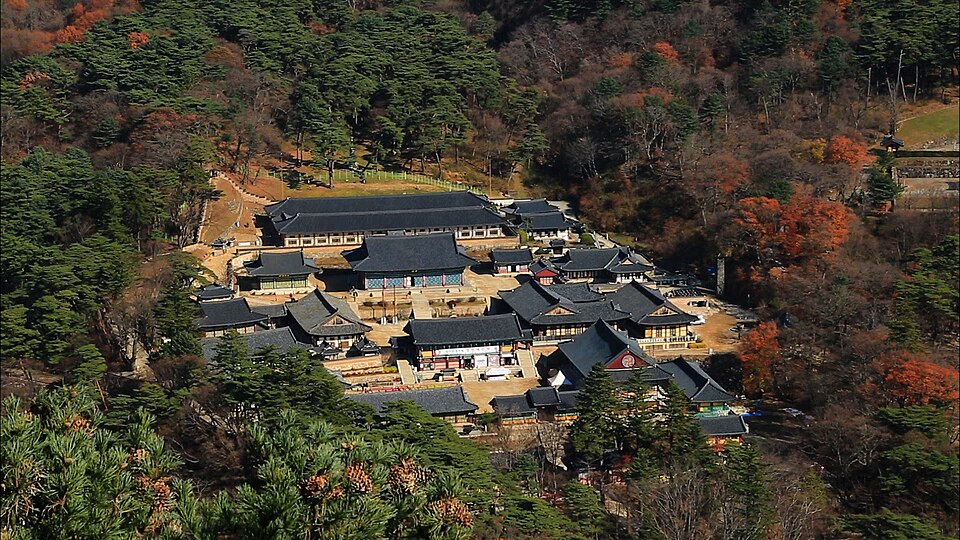
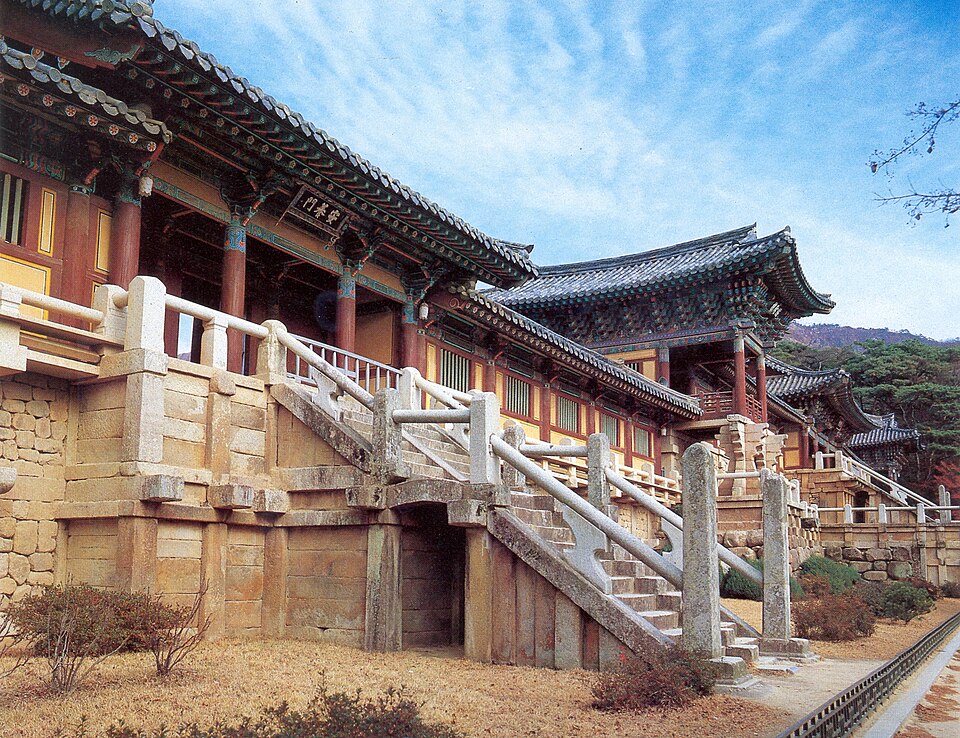
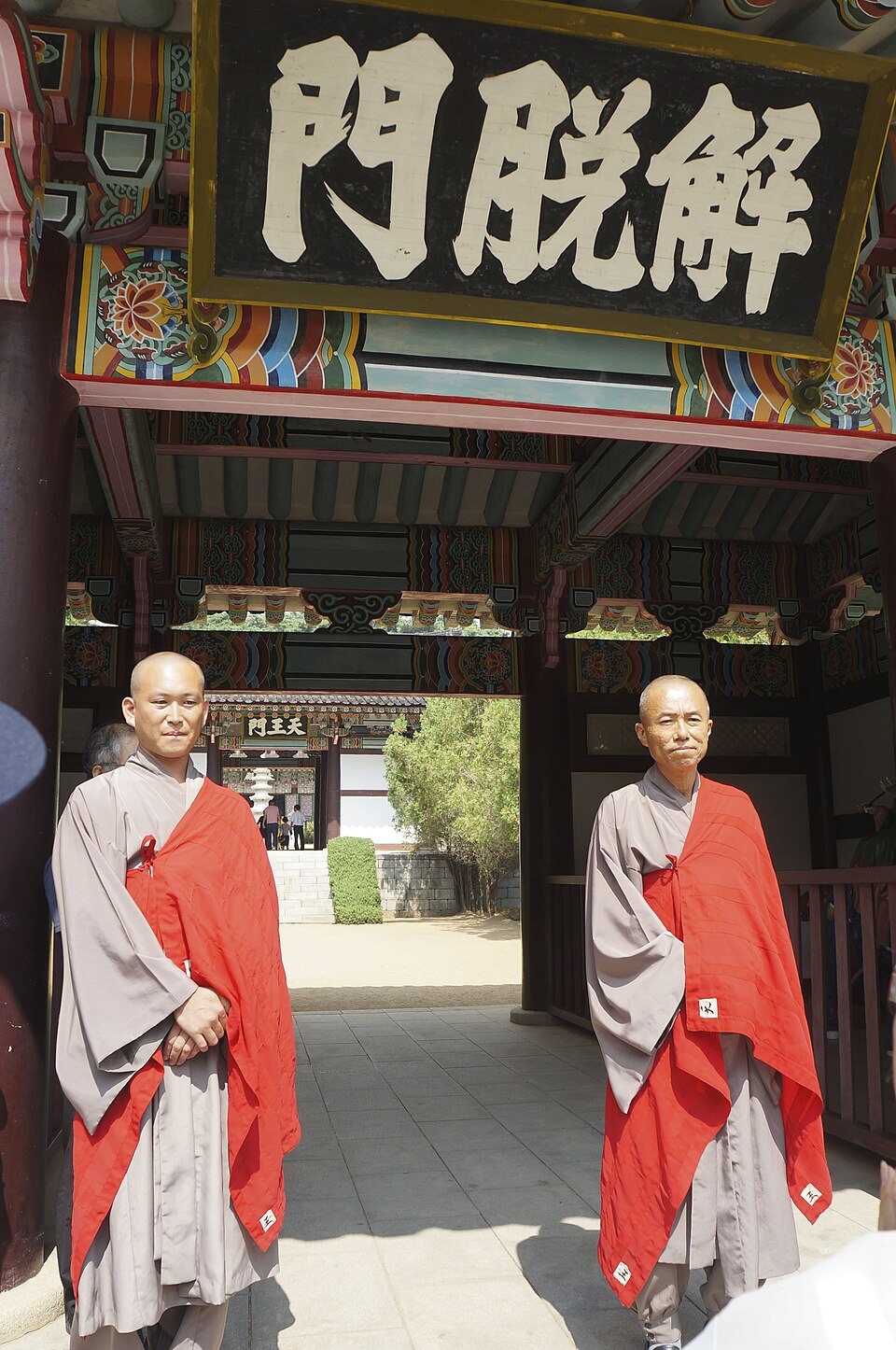
Jongmyo in Seoul houses the spirit tablets of Joseon kings and queens. Founded in the late fourteenth century, it was destroyed during the sixteenth-century Japanese invasions and rebuilt in the early seventeenth century. Its principal halls, Jeongjeon and Yeongnyeongjeon, belong to a carefully arranged landscape of ritual spaces, supporting buildings and wooded ground. The shrine’s significance also rests in the transmission of ancestral rites, music and dance. Architecture and ceremonial practice together preserve a distinctive form of royal remembrance.
Place & context
Living use
The Jongmyo Jerye ancestral rite and its accompanying music and dance continue through specialist safeguarding organizations. Visitors should follow current custodian guidance rather than treating the ritual spaces as freely available for personal ceremonies.
Place & context
Visiting with care
Check current official travel guidance and the custodian’s access rules before planning a visit. Respect worship, closures, private spaces and photography restrictions. This profile does not confirm that entry is currently possible.
Source trail
Evidence & location
Original introductory synthesis reviewed against UNESCO World Heritage documentation on 2026-10-31. Current access is not verified.
UNESCO World Heritage property reference point, converted from the published degrees/minutes/seconds coordinate; not a surveyed entrance, route or boundary.
Founded in the late 14th century; rebuilt in the early 17th century
Location precision
UNESCO World Heritage property reference point, converted from the published degrees/minutes/seconds coordinate; not a surveyed entrance, route or boundary.
Presence · An optional practice
A moment with this place.
Read, listen, or simply pause. Begin wherever you are.
◎
Read the story of Jongmyo Shrine. Notice one detail you would like to understand better, and consider the people for whom this place matters. You may pause quietly and breathe naturally, without changing or holding your breath.
A contemporary editorial invitation, not a local ritual instruction. Participation is optional; stop if uncomfortable. Check local access and custodians’ guidance before a visit.
Further profile layers will be added as sources are reviewed.
Nearby & related places
Start in the same state or country, then explore shared traditions and themes. Map references help order the suggestions; they may represent communities rather than entrances.