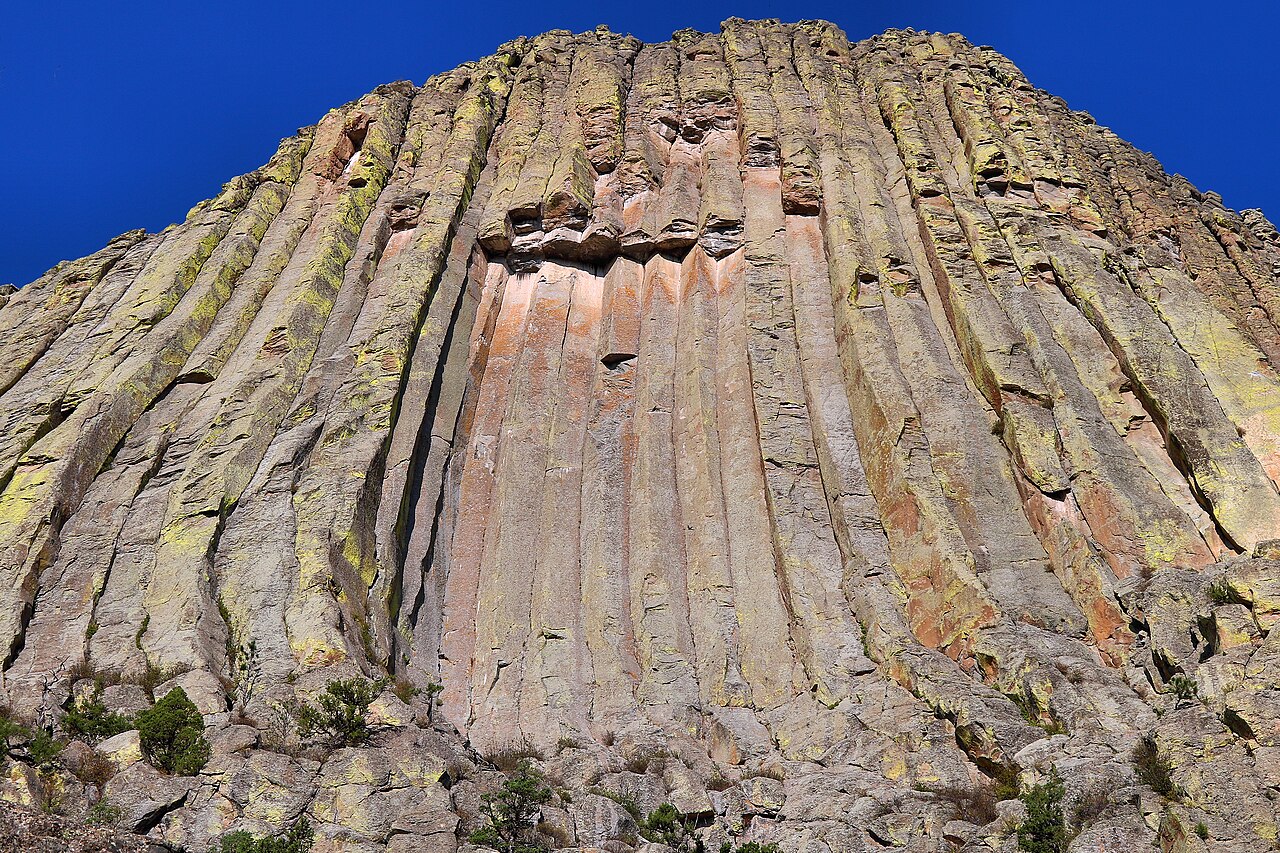
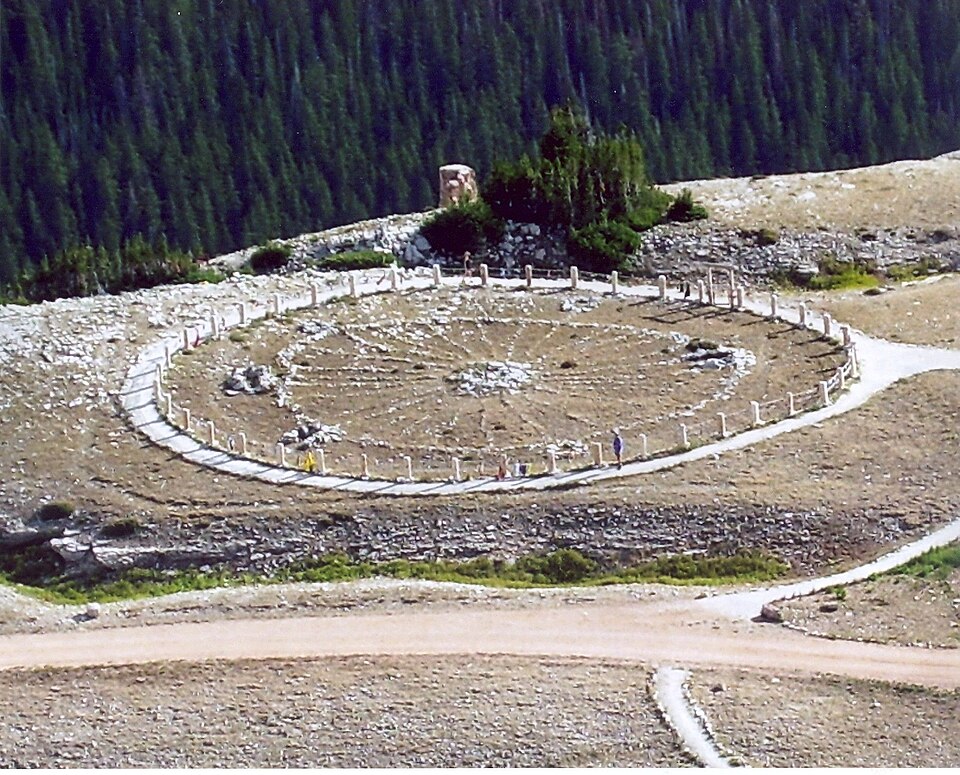
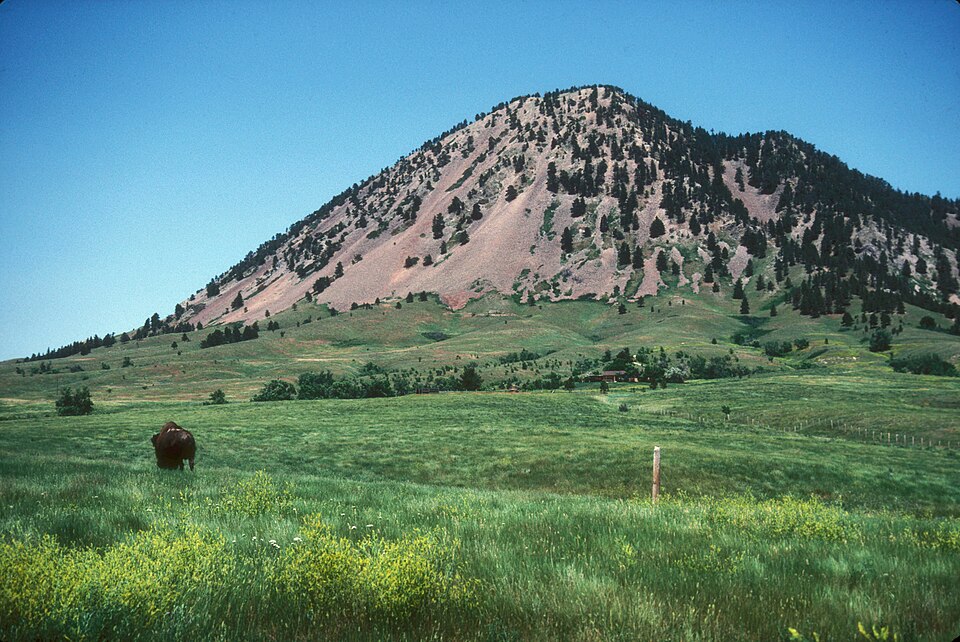
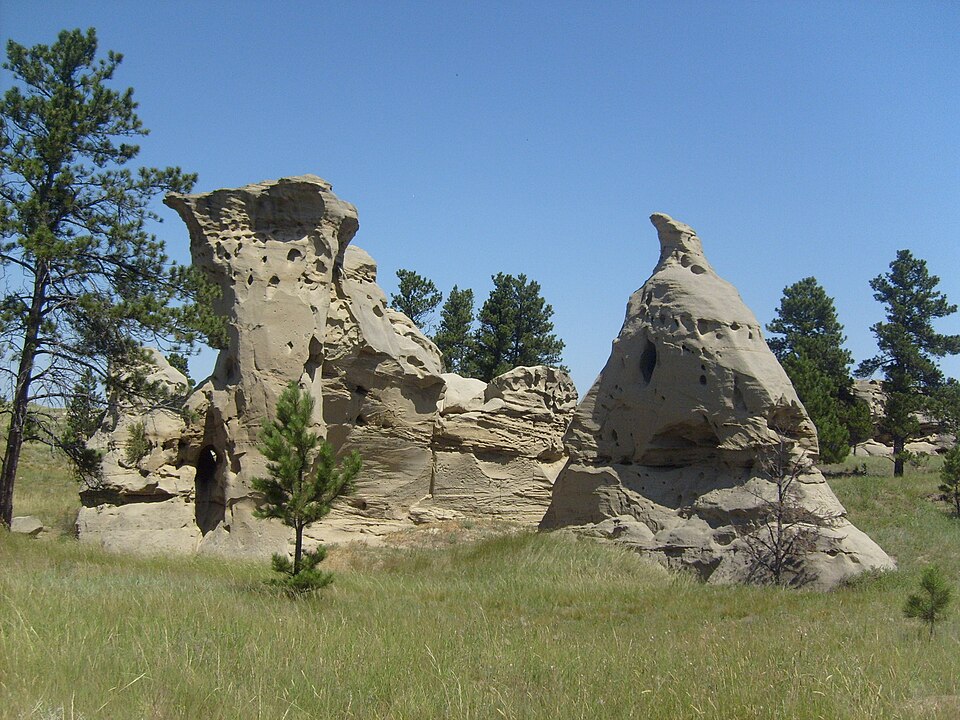
The formation officially designated Devils Tower stands within a landscape connected with more than two dozen Native nations. The National Park Service records relationships among peoples including the Arapaho, Crow, Cheyenne, Shoshone and Lakota. Names translated into English include Bear Lodge, Bear's Tipi and Tree Rock, reflecting distinct languages and accounts rather than a single interchangeable tradition. Oral histories describe relationships with the formation through winter camps, vision quests and summer ceremonies. Their details differ, and those differences matter. The federal name is itself contested: Indigenous people have challenged its suitability and sought a change. Reading the place through these histories shifts attention from an isolated geological spectacle toward a landscape of memory and continuing religious significance. Visitors should understand that publicly shared stories offer an introduction, while authority over particular traditions remains with the communities that carry them.
Place & context
Living use
The site is visited as a national monument and sacred place, with ongoing ceremonial concerns and visitor ethics.
Place & context
Visiting with care
Consult the site’s official guidance before travel. Respect worship, photography restrictions and local custodians.
Approximate orientation; confirm locally before visiting
Presence · An optional practice
A moment with this place.
Read, listen, or simply pause. Begin wherever you are.
◎
Read about this place from wherever you are. Read the accounts of living ceremonial significance with care. How can attention to a place include respect for other people’s practices? You may pause quietly and breathe naturally, without changing or holding your breath.
A contemporary editorial invitation, not a local ritual instruction. Participation is optional; stop if uncomfortable. Check local access and custodians’ guidance before a visit.
Further profile layers will be added as sources are reviewed.
Nearby & related places
Start in the same state or country, then explore shared traditions and themes. Map references help order the suggestions; they may represent communities rather than entrances.