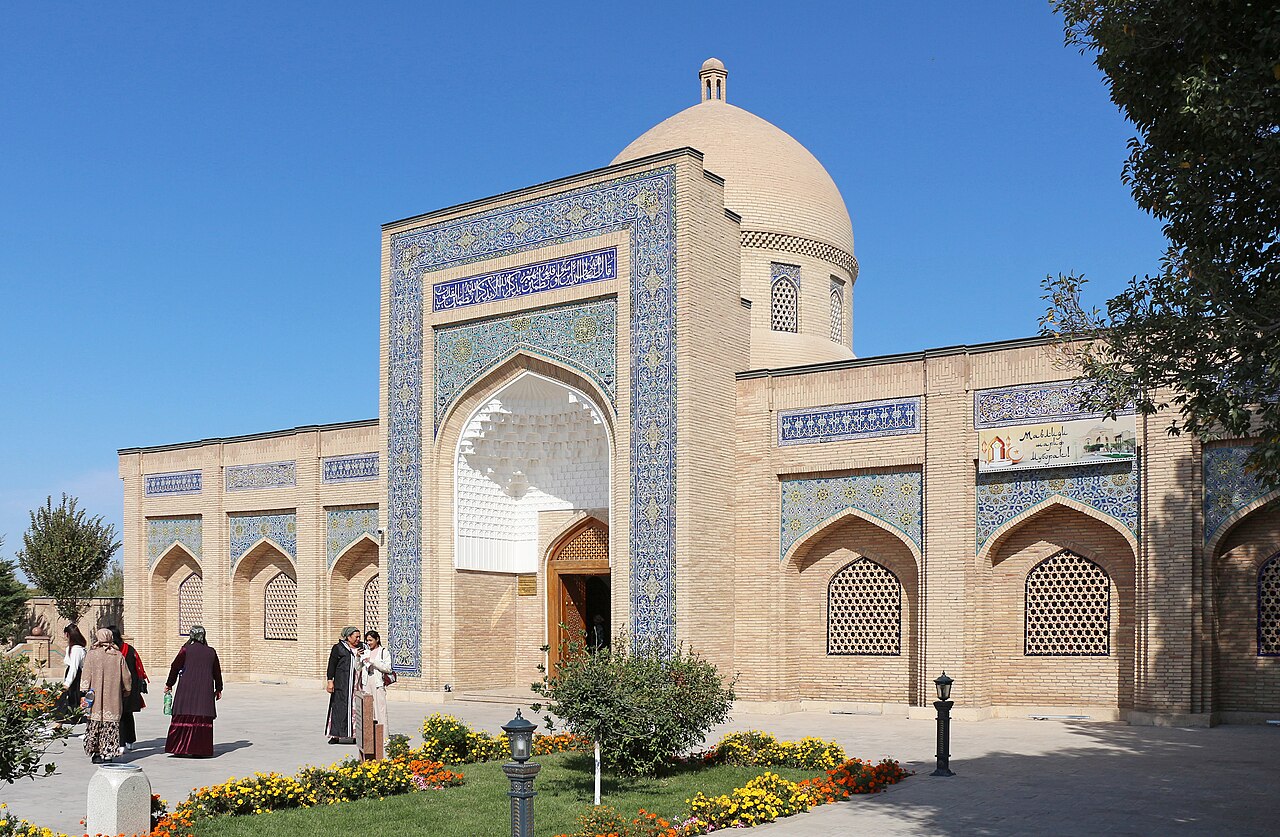
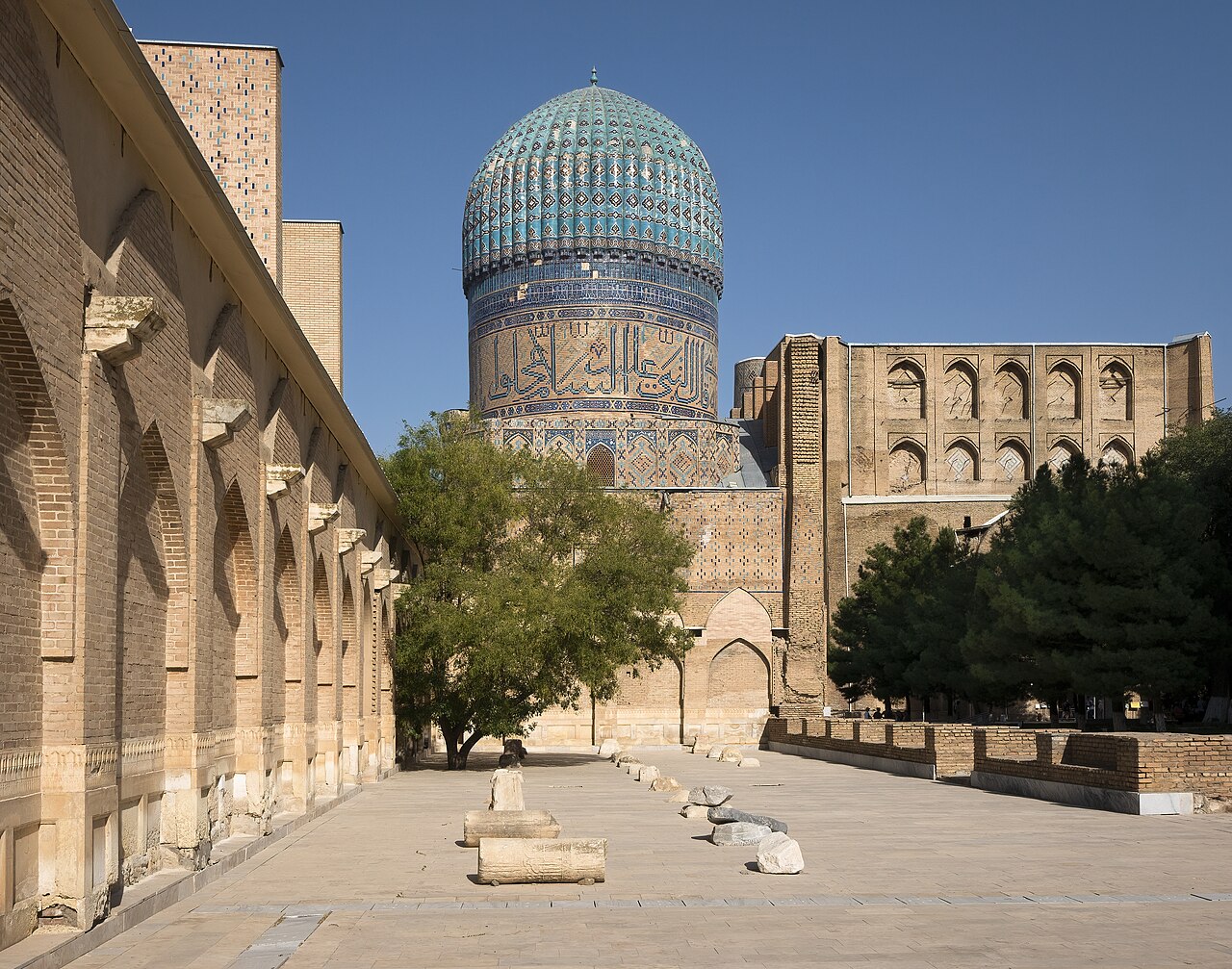
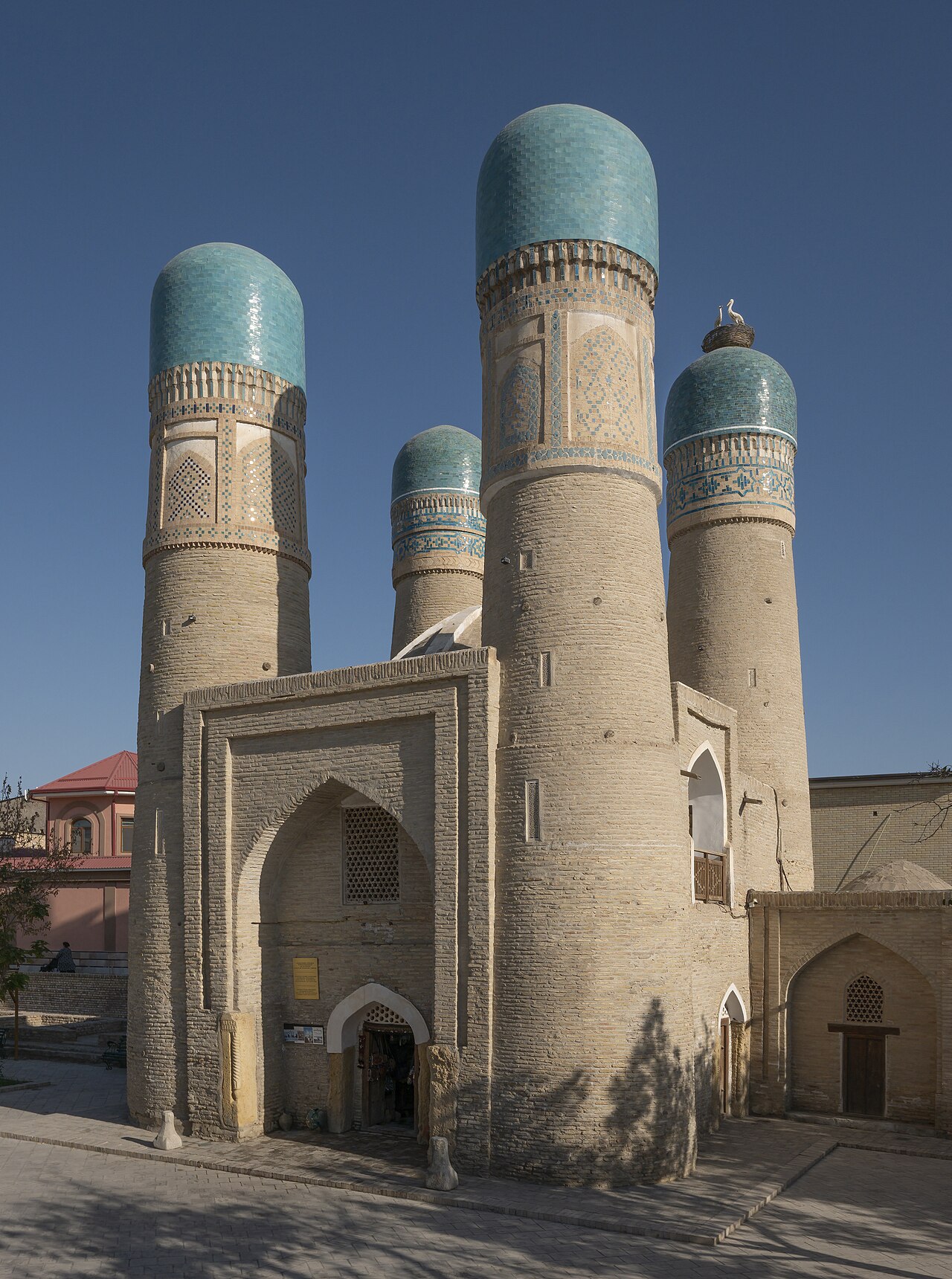
The Bahauddin Naqshband complex near Bukhara belongs to a wider geography of Sufi remembrance, linking the master's memorial with places associated with earlier teachers. Uzbekistan's official account places it within the Seven Pirs pilgrimage circuit and identifies Sayyid Amir Kulal as a teacher who introduced Naqshband to the Khwajagan tradition. The memorial buildings developed after the master's lifetime, giving later architectural form to an enduring relationship of devotion. The library's lineage research follows the story beyond Bahauddin himself: Alauddin Attar, Muhammad Parsa and Yaqub Charkhi developed different strands of teaching and transmission. These branches matter because the later Naqshbandiyya cannot be understood through a single shrine alone. The place page therefore connects the visible complex with deeper reading about teachers, texts and remembrance. Visitors encounter a living devotional setting whose significance includes both local attachments and a religious lineage that traveled widely.
Place & context
Living use
The site is used for pilgrimage, prayer, remembrance, lineage connection, and visits by local and international travelers interested in Sufi heritage.
Place & context
Visiting with care
Consult the site’s official guidance before travel. Respect worship, photography restrictions and local custodians.
The shrine offers a point of entry into Bahauddin’s world, but the history does not stop at one master. The library’s lineage research follows several circles after him: Alauddin Attar, Muhammad Parsa and Yaqub Charkhi developed different strands of teaching and transmission. Remembering those branches makes the later worldwide Naqshbandiyya easier to understand.
Parsa gives this landscape a literary dimension. His Fasl al-Khitab brought a wide range of Sufi learning into conversation. It belongs beside the shrine as a reading connection, not as evidence that every teaching in a later Naqshbandi book originated at this tomb. The library’s translation is still being reviewed.
Silent remembrance is important here, but the historical record also contains disagreements about vocal dhikr, companionship and the role of a teacher. A contemporary breathing exercise on this website should not be mistaken for instruction in that inherited discipline.
Reading notes & evidence
Historical synthesis and attributed lineage memory; these notes do not authenticate every later biographical episode.
1913 Tashkent lithograph; library edition and translation project record.
Tradition
Naqshbandi Sufism
Period
14th century origin; later shrine complex
Location precision
Bukhara · City reference. Rounded orientation point; not an entrance or tomb position.
Presence · An optional practice
A moment with this place.
Read, listen, or simply pause. Begin wherever you are.
◎
Read about this place from wherever you are. Begin with the place’s history. Give the people around you space. What does remembrance mean to you here? You may pause quietly and breathe naturally, without changing or holding your breath.
A contemporary editorial invitation, not a local ritual instruction. Participation is optional; stop if uncomfortable. Check local access and custodians’ guidance before a visit.
Explore the Codex profile Symbol, sound & personal meaning
This optional layer offers contemporary spiritual interpretations. It sits alongside the place’s history and living traditions; it does not describe measured properties of the site.
Breath phase · Symbolic association
◎
Heh · Rest
Integration — An invitation to stillness and reflection.
Start in the same state or country, then explore shared traditions and themes. Map references help order the suggestions; they may represent communities rather than entrances.