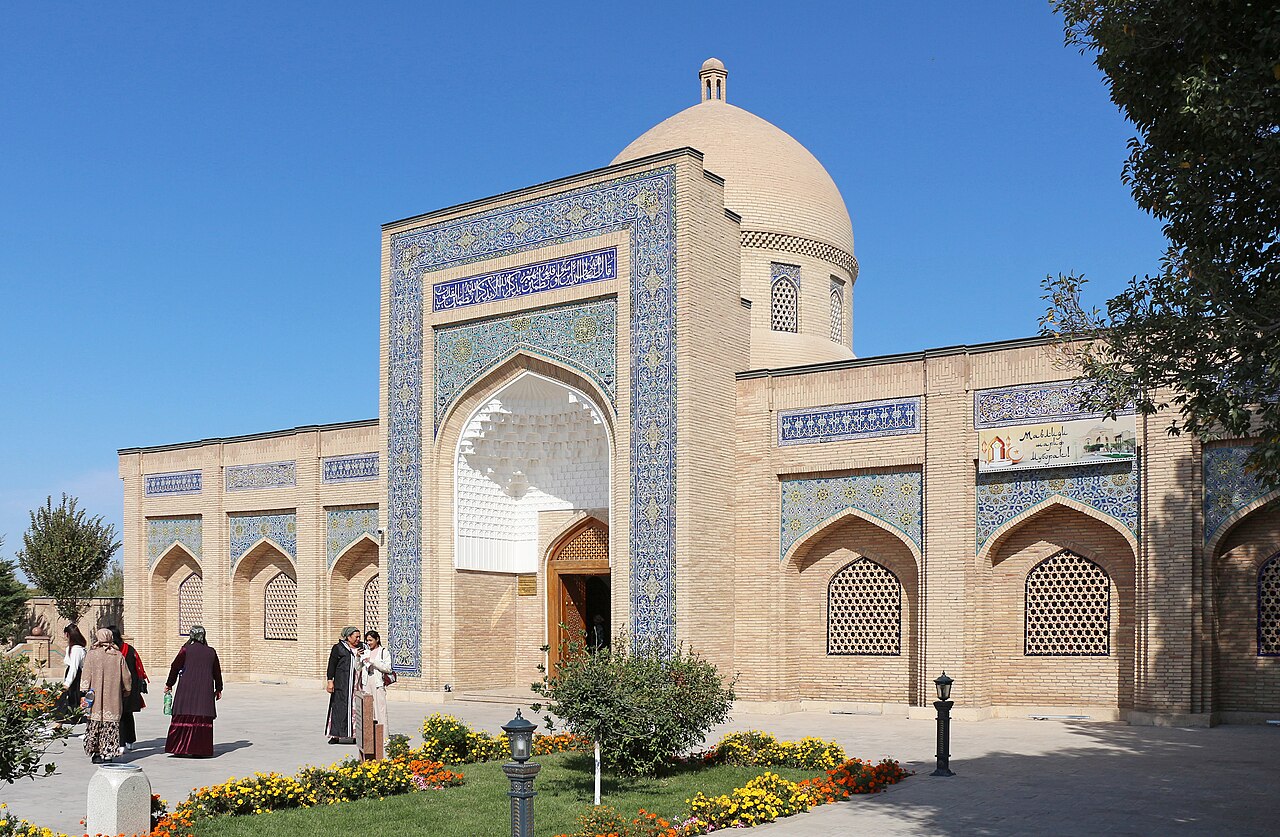
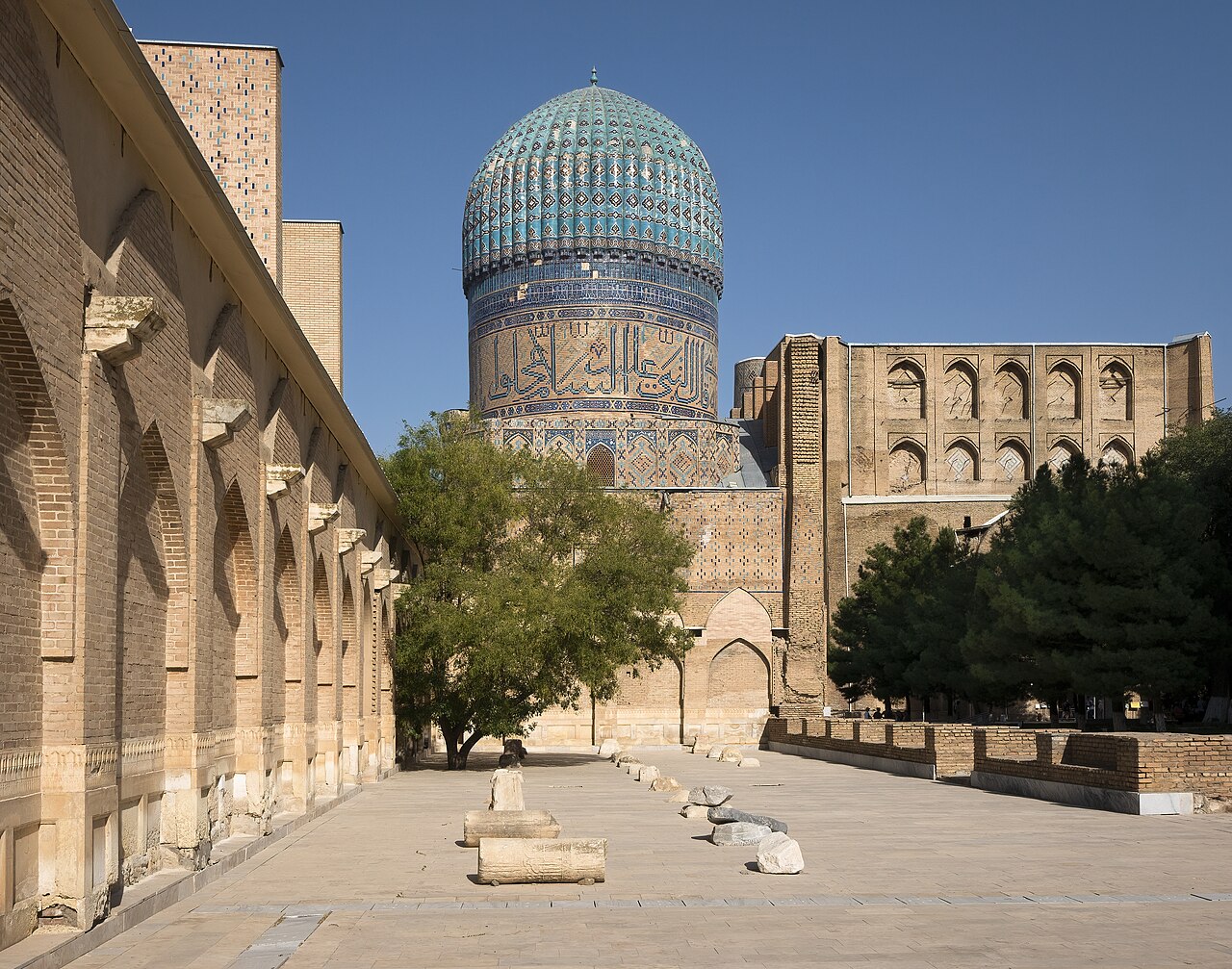
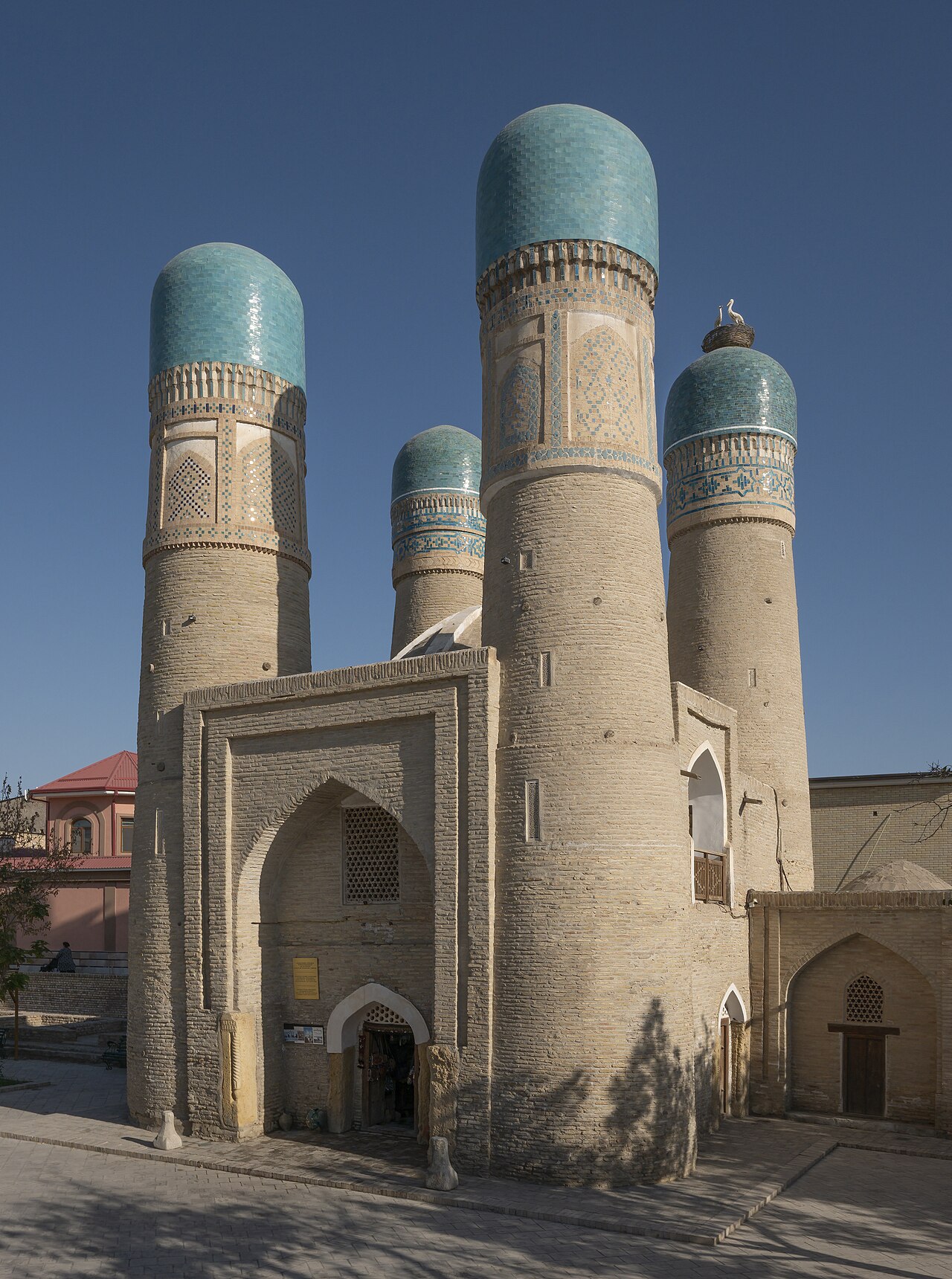
Amir Kulal is a central figure in accounts of Bahauddin’s formation. Yet his importance is not exhausted by that relationship: the library’s historical reading also notices the continuation of Kulal’s own circle alongside Bahauddin’s followers.
Place & context
Living use
Pilgrimage and remembrance.
Place & context
Visiting with care
Ask local custodians about entry and photography. The sequence is a reading guide, not turn-by-turn navigation.
Amir Kulal is a central figure in accounts of Bahauddin’s formation. Yet his importance is not exhausted by that relationship: the library’s historical reading also notices the continuation of Kulal’s own circle alongside Bahauddin’s followers.
This is a useful pause in the Seven Pirs route. A line on a diagram can conceal a branching community. The memorial becomes richer when read as the memory of a teacher with several relationships and successors, rather than merely the step immediately before a famous name.
Reading notes & evidence
Historical synthesis and attributed lineage memory; these notes do not authenticate every later biographical episode.
Khwajagan–Naqshbandi research dossier, reviewed October 2026.
Tradition
Khwajagan / Naqshbandiyya
Period
See the associated master’s chronology
Location precision
Bukhara · City reference. Rounded orientation point; not an entrance or tomb position.
Presence · An optional practice
A moment with this place.
Read, listen, or simply pause. Begin wherever you are.
◎
Read about this place from wherever you are. Consider how a memorial carries a teacher’s name through time. Which part of the research record would you explore further? You may pause quietly and breathe naturally, without changing or holding your breath.
A contemporary editorial invitation, not a local ritual instruction. Participation is optional; stop if uncomfortable. Check local access and custodians’ guidance before a visit.
Further profile layers will be added as sources are reviewed.
Nearby & related places
Start in the same state or country, then explore shared traditions and themes. Map references help order the suggestions; they may represent communities rather than entrances.