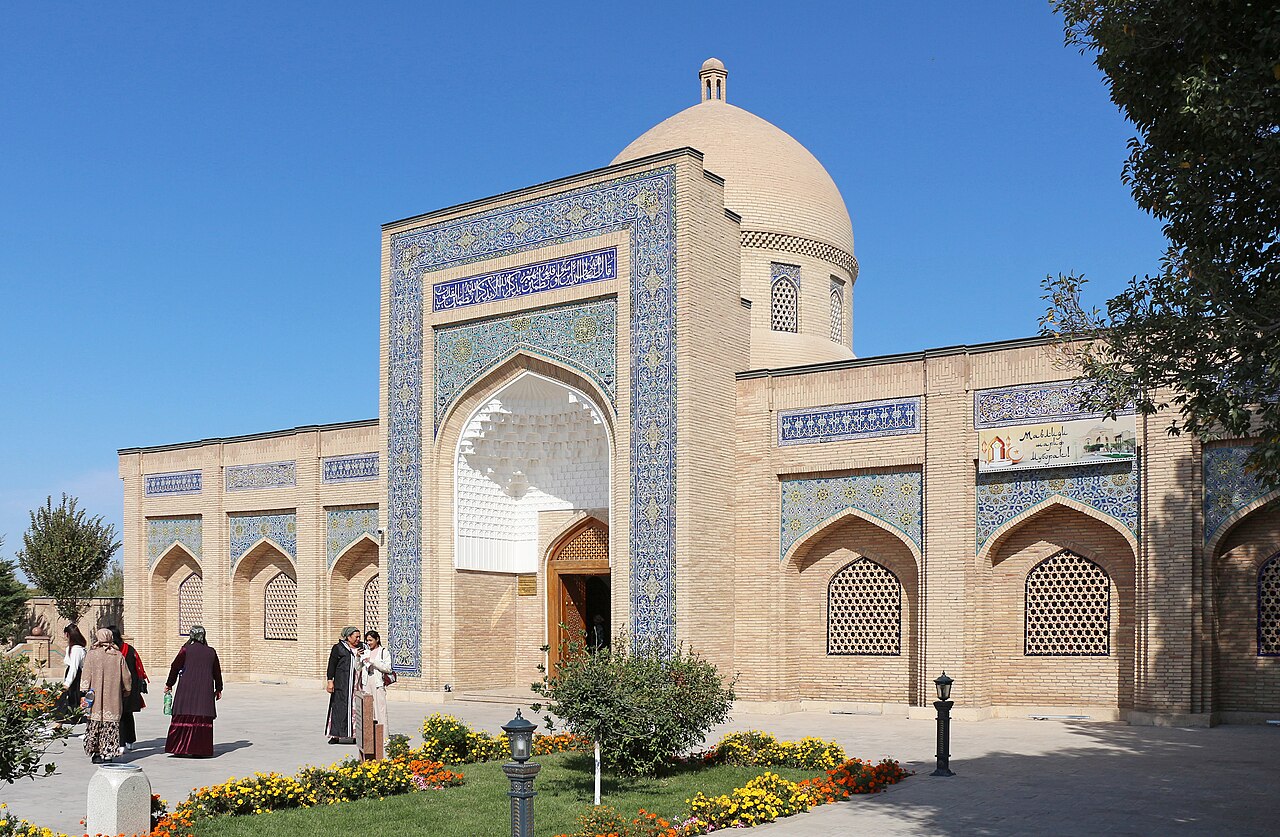
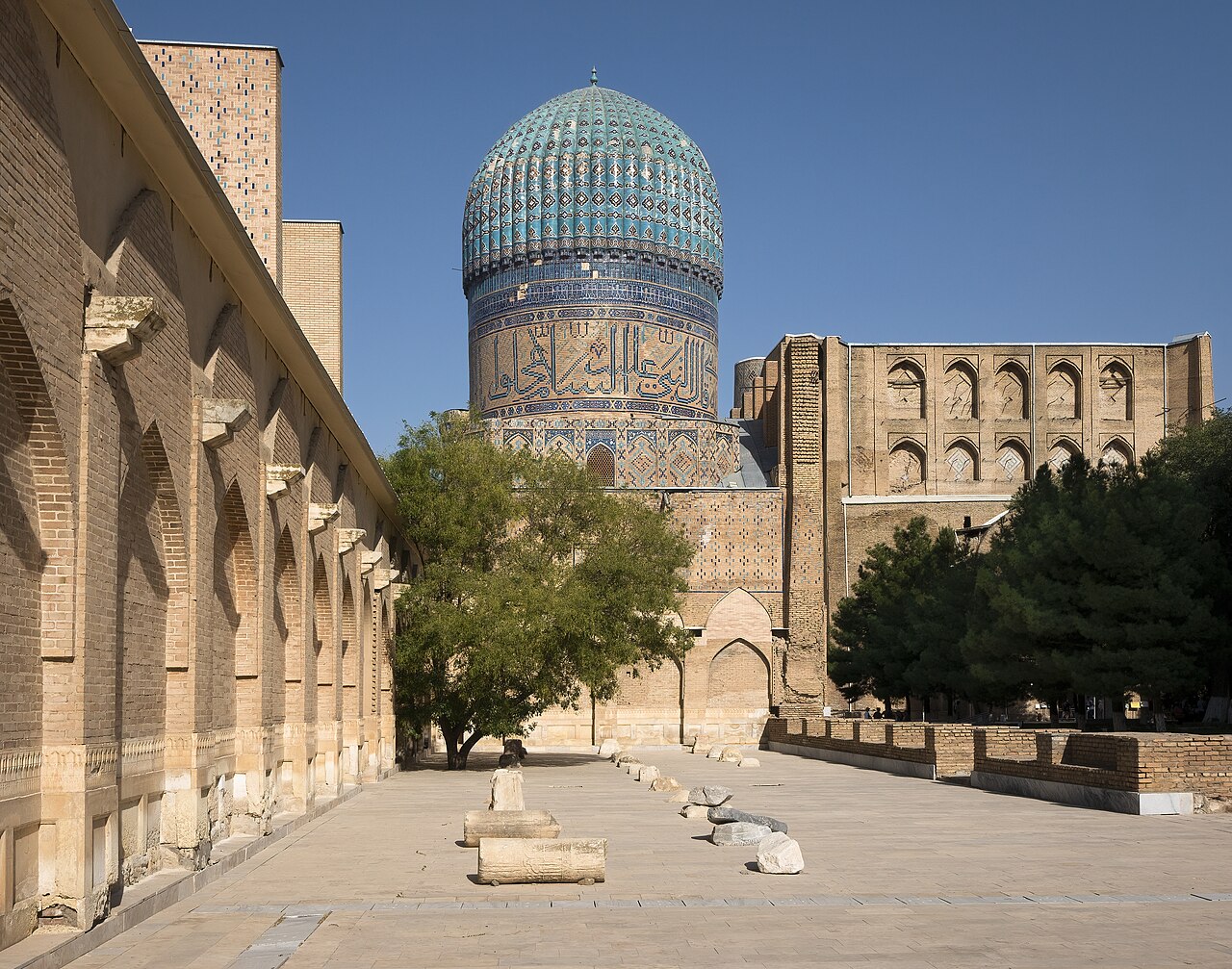
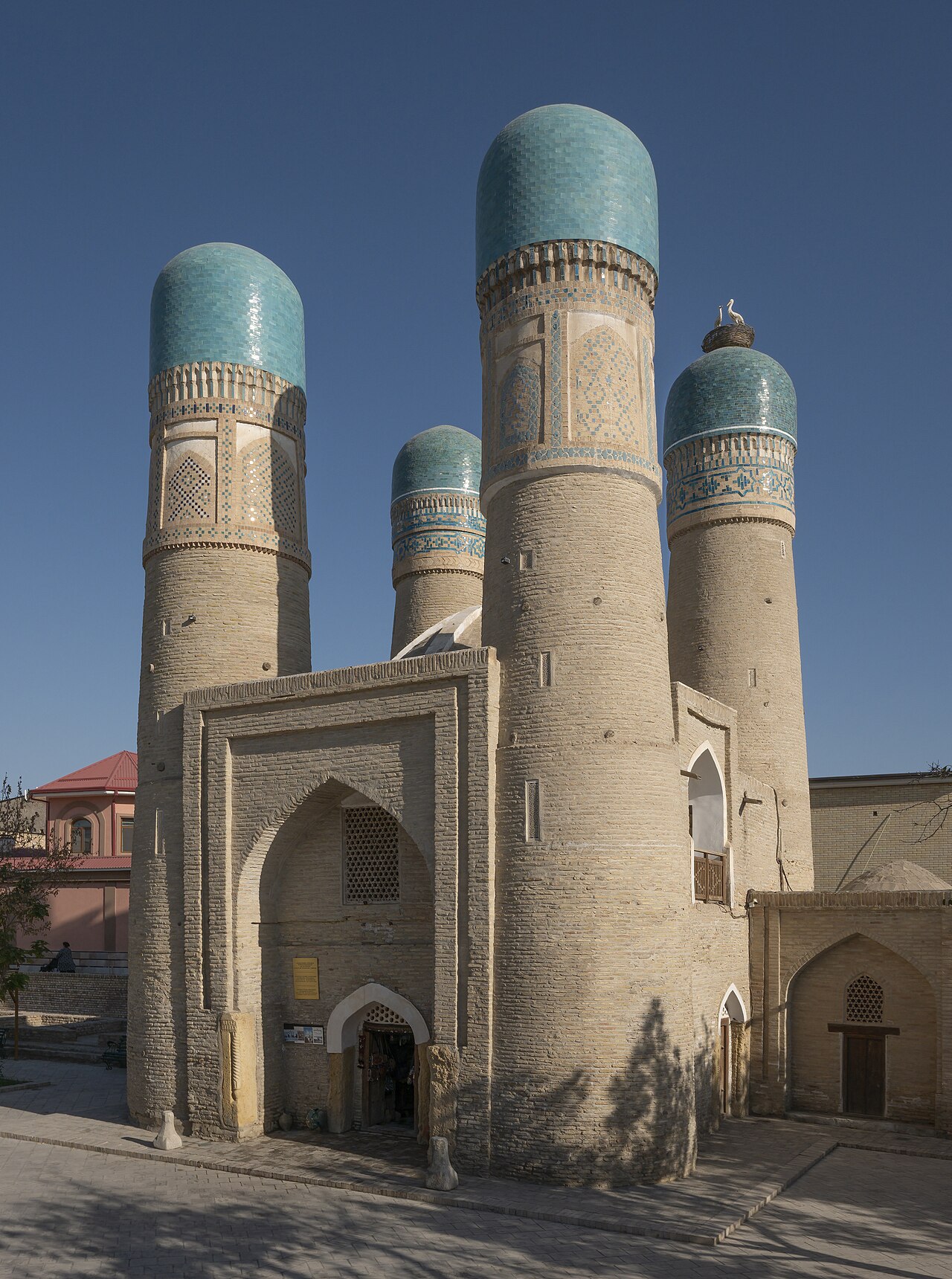
Riwgari is remembered between Ghijduvani and Faghnawi in the Khwajagan lineage. Later reports invoke him in discussions about how remembrance should be practised. That makes his name part of a debate about teaching authority as well as part of a pilgrimage sequence.
Place & context
Living use
Pilgrimage and remembrance.
Place & context
Visiting with care
Ask local custodians about entry and photography. The sequence is a reading guide, not turn-by-turn navigation.
Riwgari is remembered between Ghijduvani and Faghnawi in the Khwajagan lineage. Later reports invoke him in discussions about how remembrance should be practised. That makes his name part of a debate about teaching authority as well as part of a pilgrimage sequence.
The library’s evidence matrix keeps those reports distinct from direct contemporary testimony. This profile therefore introduces a remembered teacher and memorial, without presenting an unverified collection of sayings as his established authored work.
Reading notes & evidence
Historical synthesis and attributed lineage memory; these notes do not authenticate every later biographical episode.
Khwajagan–Naqshbandi research dossier, reviewed October 2026.
Tradition
Khwajagan / Naqshbandiyya
Period
See the associated master’s chronology
Location precision
Bukhara · City reference. Rounded orientation point; not an entrance or tomb position.
Presence · An optional practice
A moment with this place.
Read, listen, or simply pause. Begin wherever you are.
◎
Read about this place from wherever you are. Consider how a teacher’s memory is held in a particular place. Which questions would you want the sources to answer? You may pause quietly and breathe naturally, without changing or holding your breath.
A contemporary editorial invitation, not a local ritual instruction. Participation is optional; stop if uncomfortable. Check local access and custodians’ guidance before a visit.
Further profile layers will be added as sources are reviewed.
Nearby & related places
Start in the same state or country, then explore shared traditions and themes. Map references help order the suggestions; they may represent communities rather than entrances.