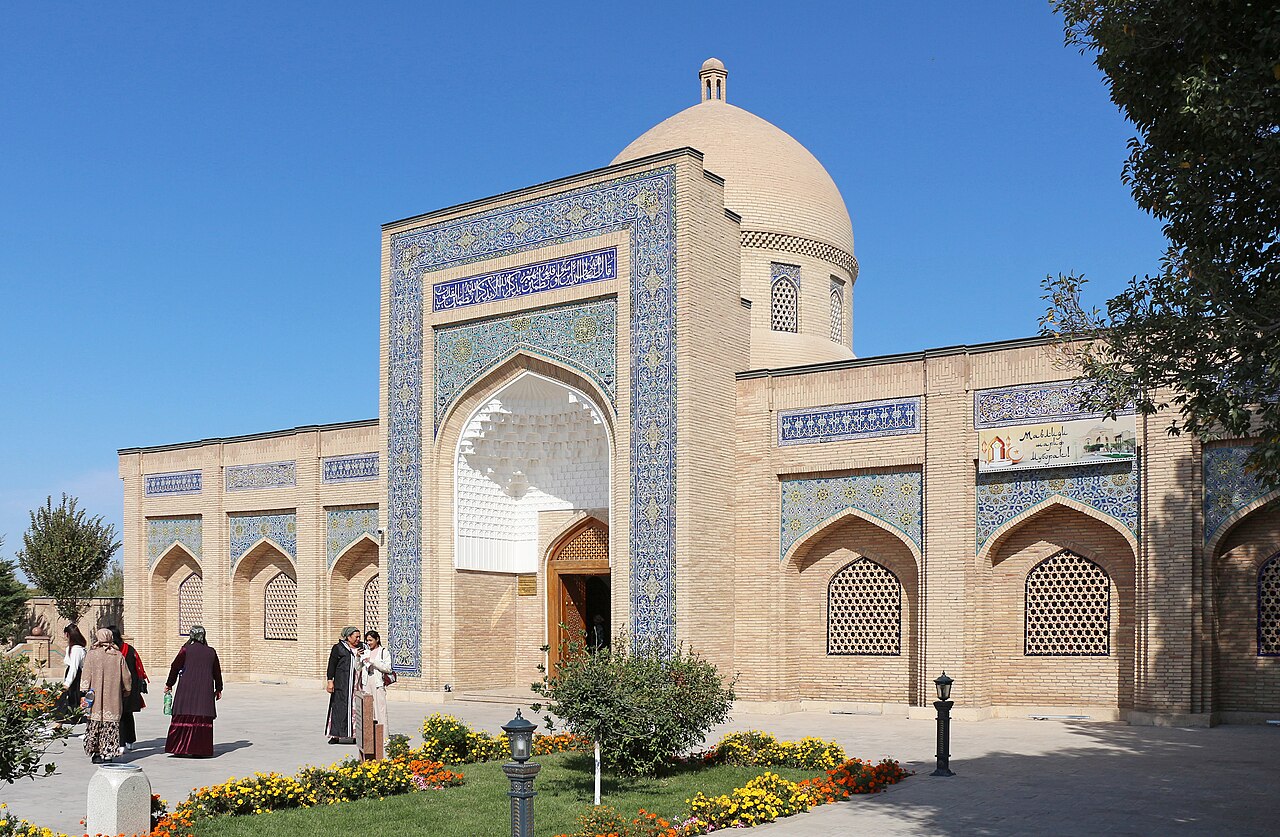
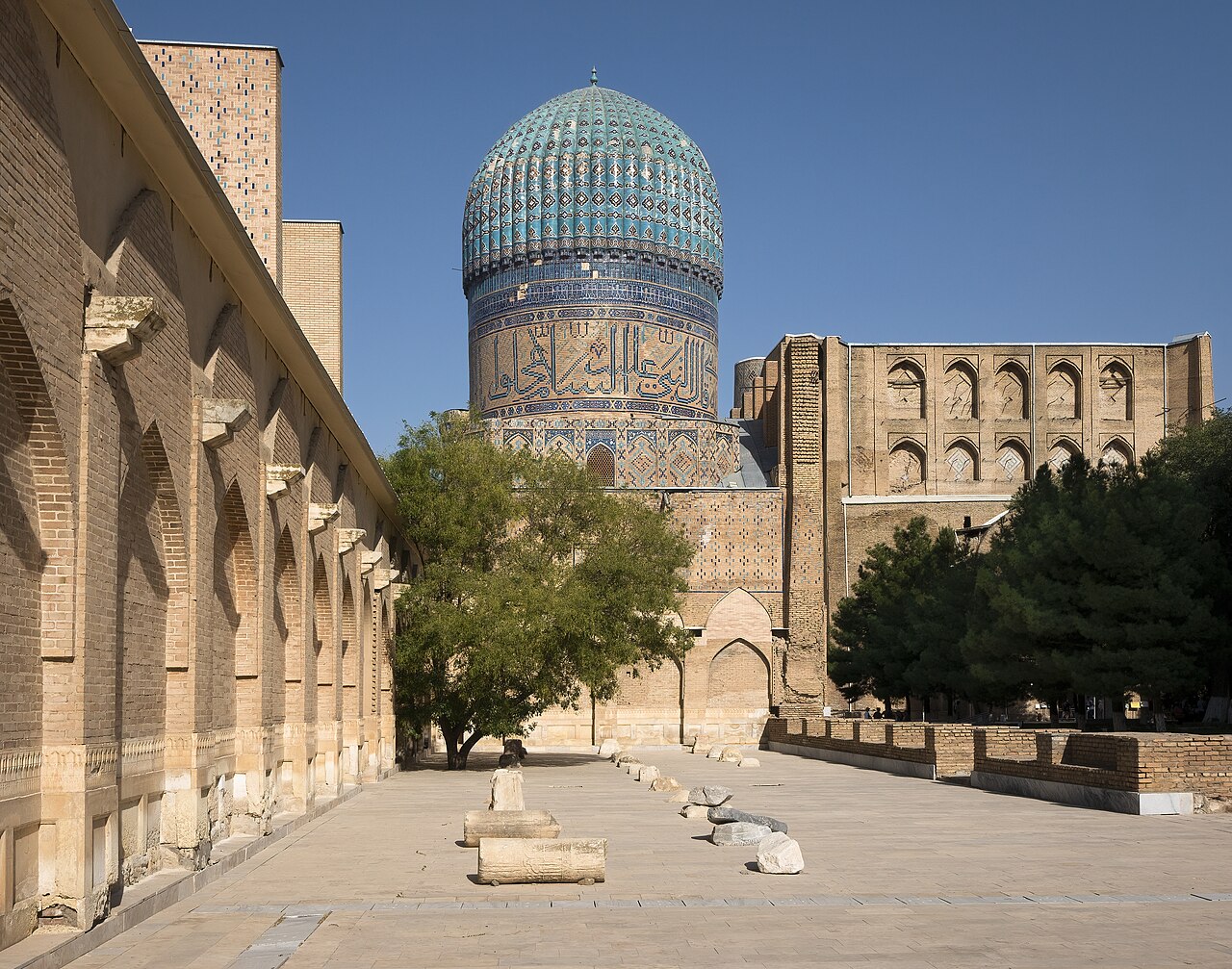
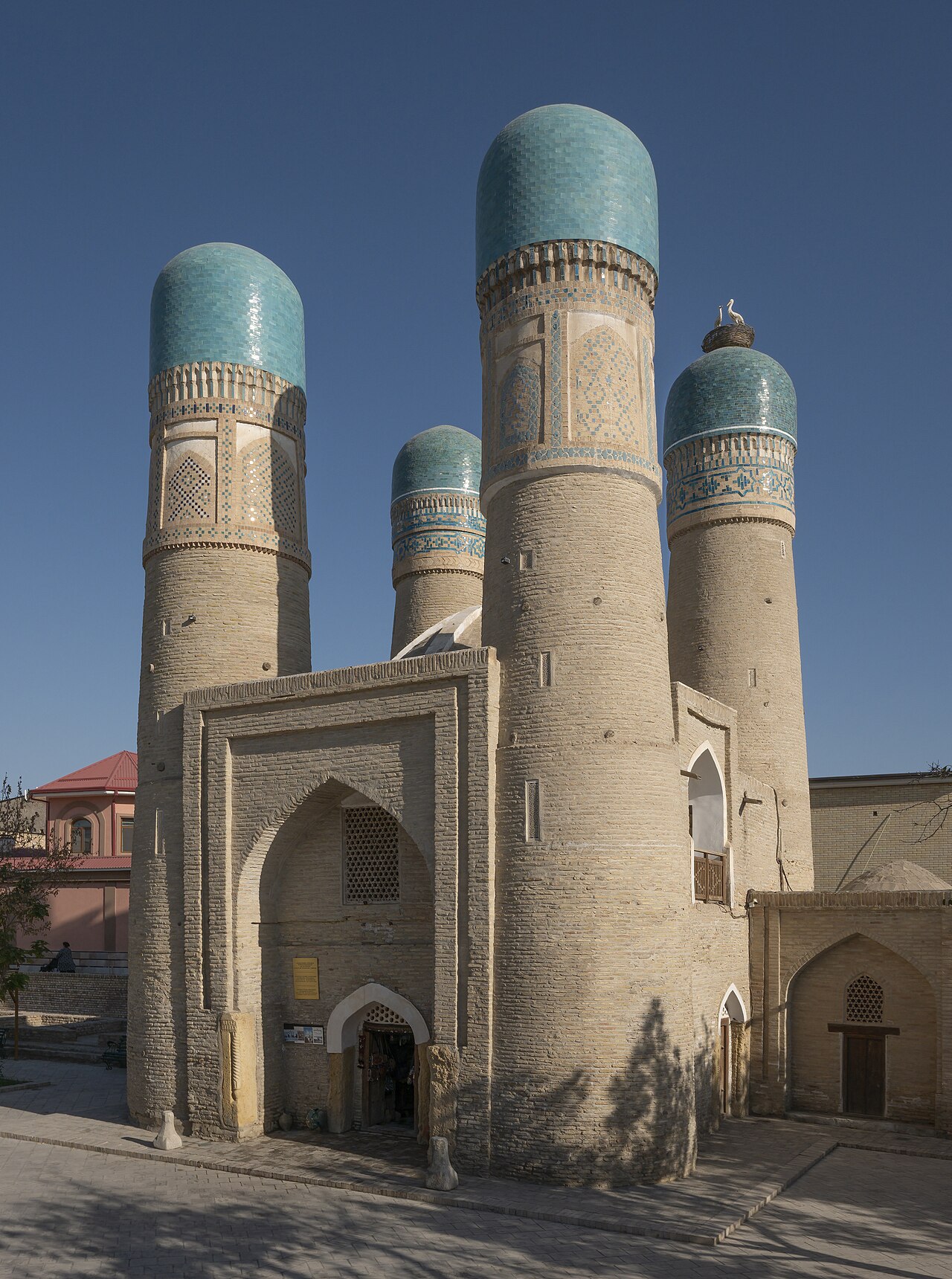
Samasi appears in the traditional story of Bahauddin’s early formation and in the lineage before Amir Kulal. Such accounts describe recognition and spiritual preparation; their devotional purpose should remain visible when they are retold.
Place & context
Living use
Pilgrimage and remembrance.
Place & context
Visiting with care
Ask local custodians about entry and photography. The sequence is a reading guide, not turn-by-turn navigation.
Samasi appears in the traditional story of Bahauddin’s early formation and in the lineage before Amir Kulal. Such accounts describe recognition and spiritual preparation; their devotional purpose should remain visible when they are retold.
The library places Samasi within the Bukhara countryside and its local circles. Reading his memorial before Kulal and Bahauddin makes it possible to follow the way later communities remembered the emergence of a teacher, while leaving miraculous episodes attributed to tradition.
Reading notes & evidence
Historical synthesis and attributed lineage memory; these notes do not authenticate every later biographical episode.
Khwajagan–Naqshbandi research dossier, reviewed October 2026.
Tradition
Khwajagan / Naqshbandiyya
Period
See the associated master’s chronology
Location precision
Bukhara · City reference. Rounded orientation point; not an entrance or tomb position.
Presence · An optional practice
A moment with this place.
Read, listen, or simply pause. Begin wherever you are.
◎
Read about this place from wherever you are. Read this place alongside the other Seven Pirs profiles. What connections emerge without assuming every connection is certain? You may pause quietly and breathe naturally, without changing or holding your breath.
A contemporary editorial invitation, not a local ritual instruction. Participation is optional; stop if uncomfortable. Check local access and custodians’ guidance before a visit.
Further profile layers will be added as sources are reviewed.
Nearby & related places
Start in the same state or country, then explore shared traditions and themes. Map references help order the suggestions; they may represent communities rather than entrances.