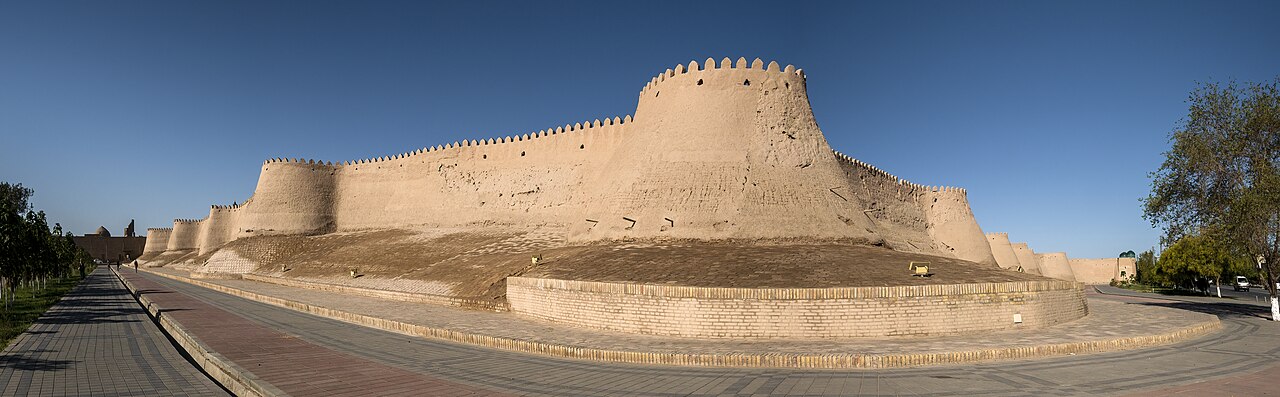
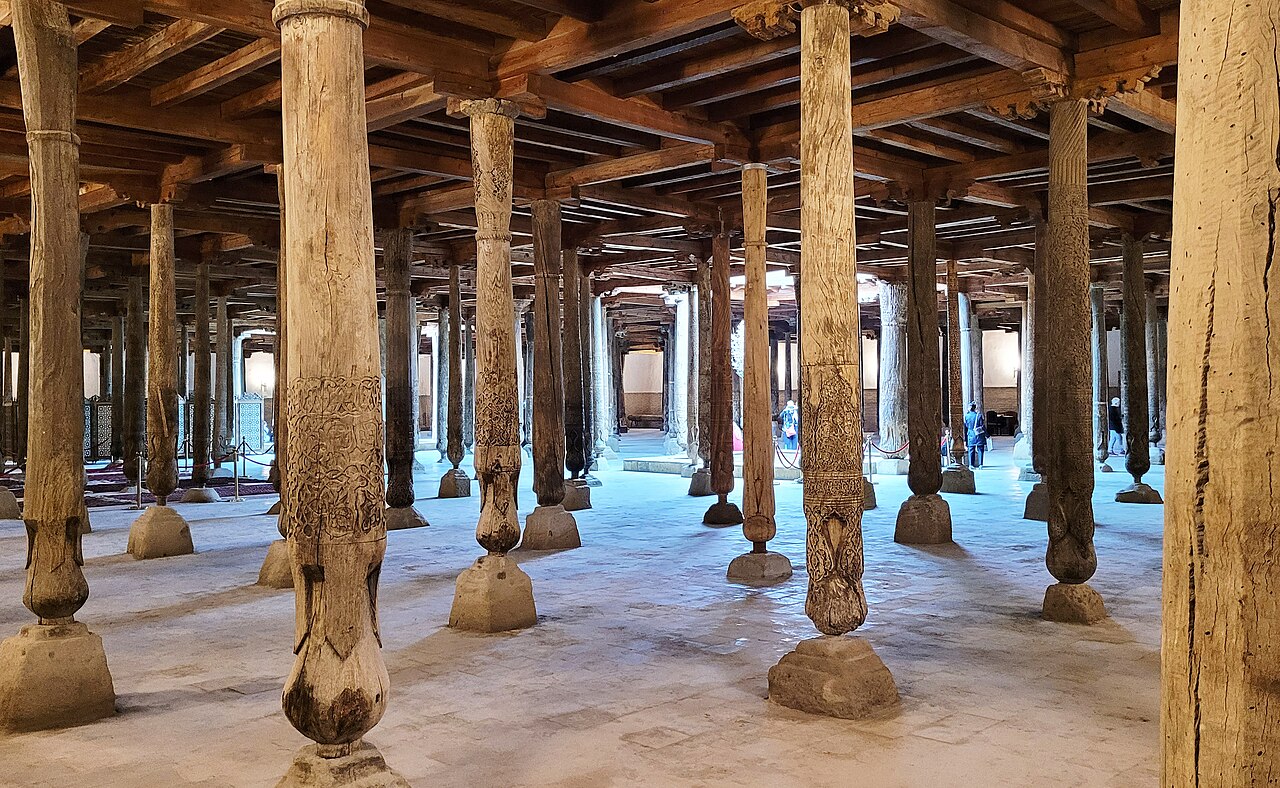
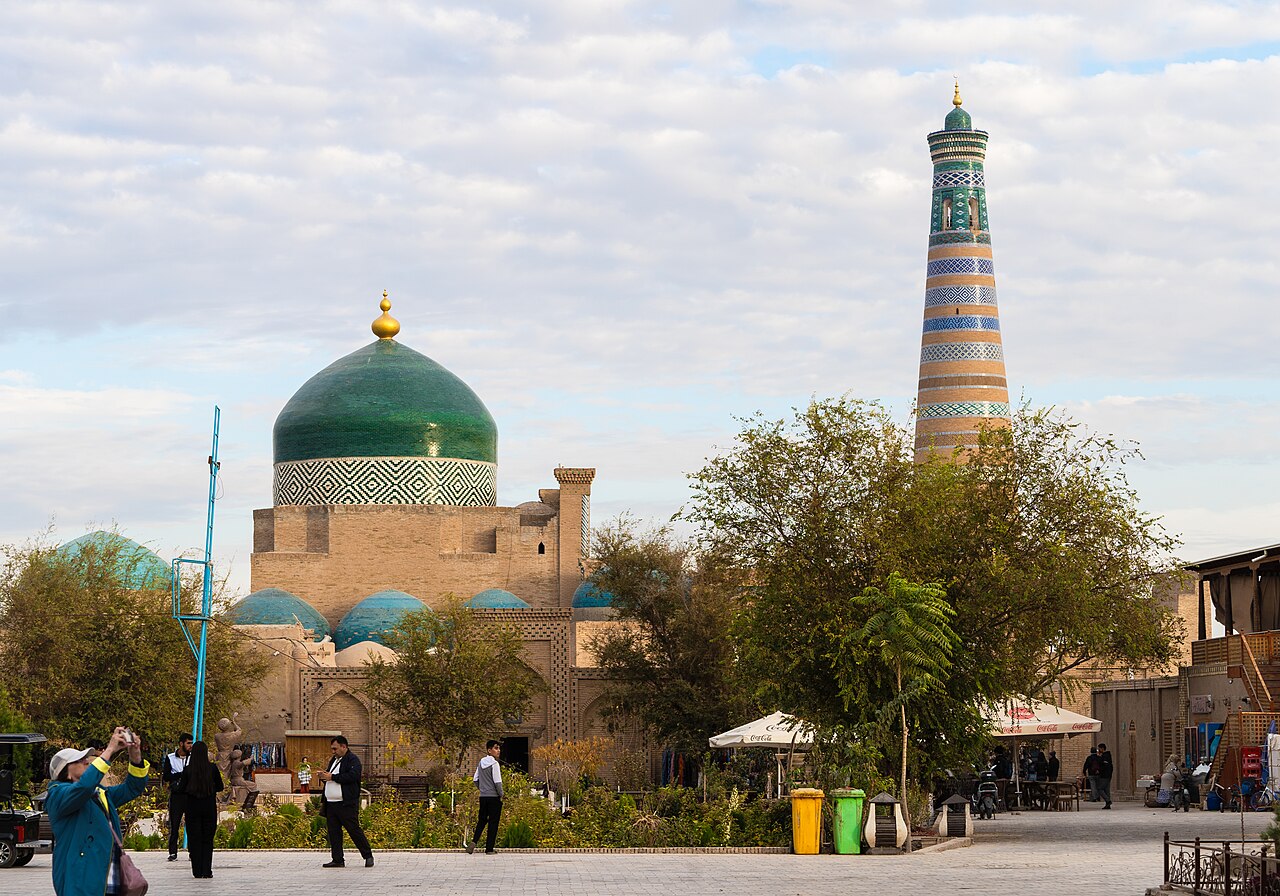
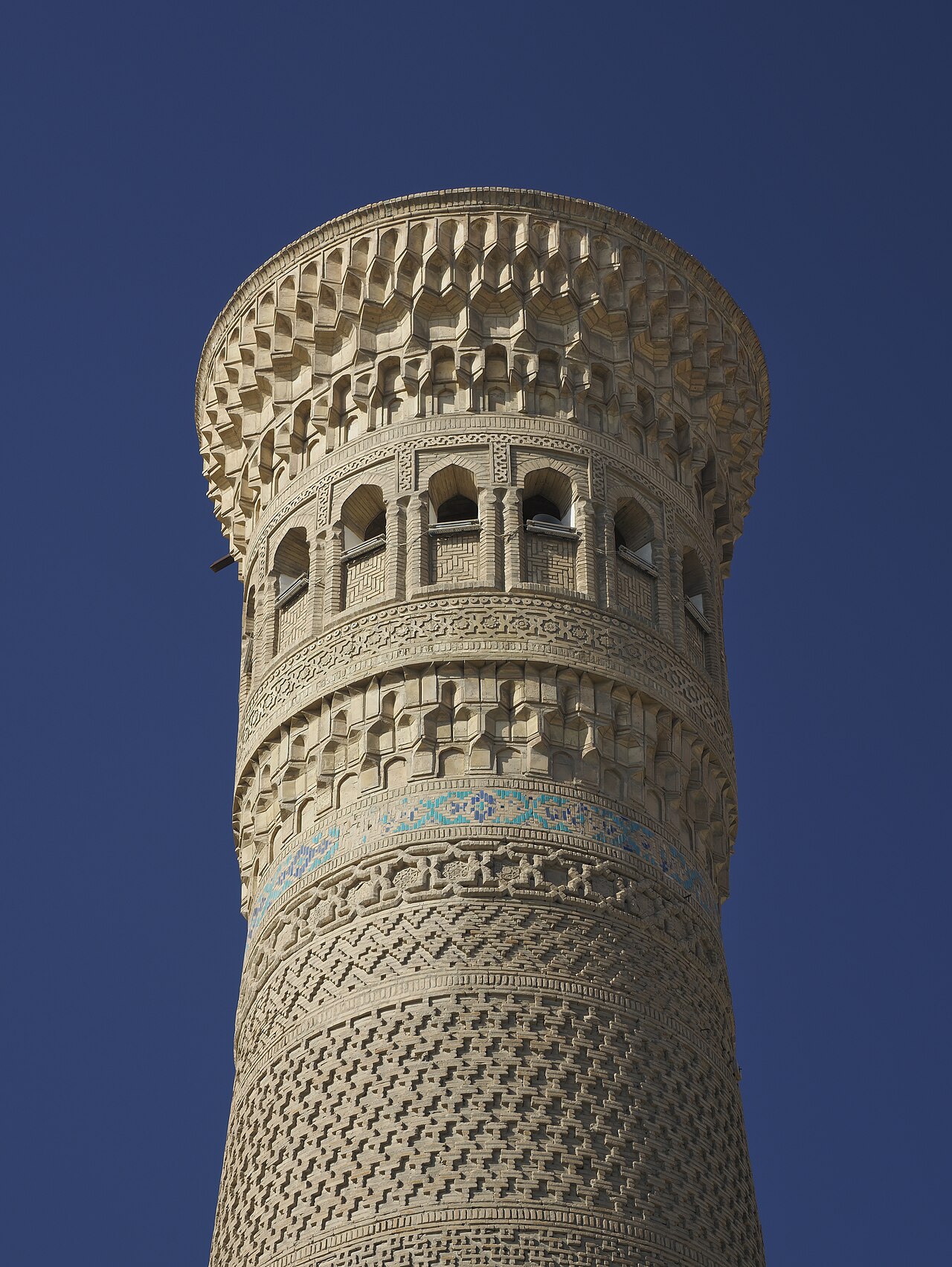
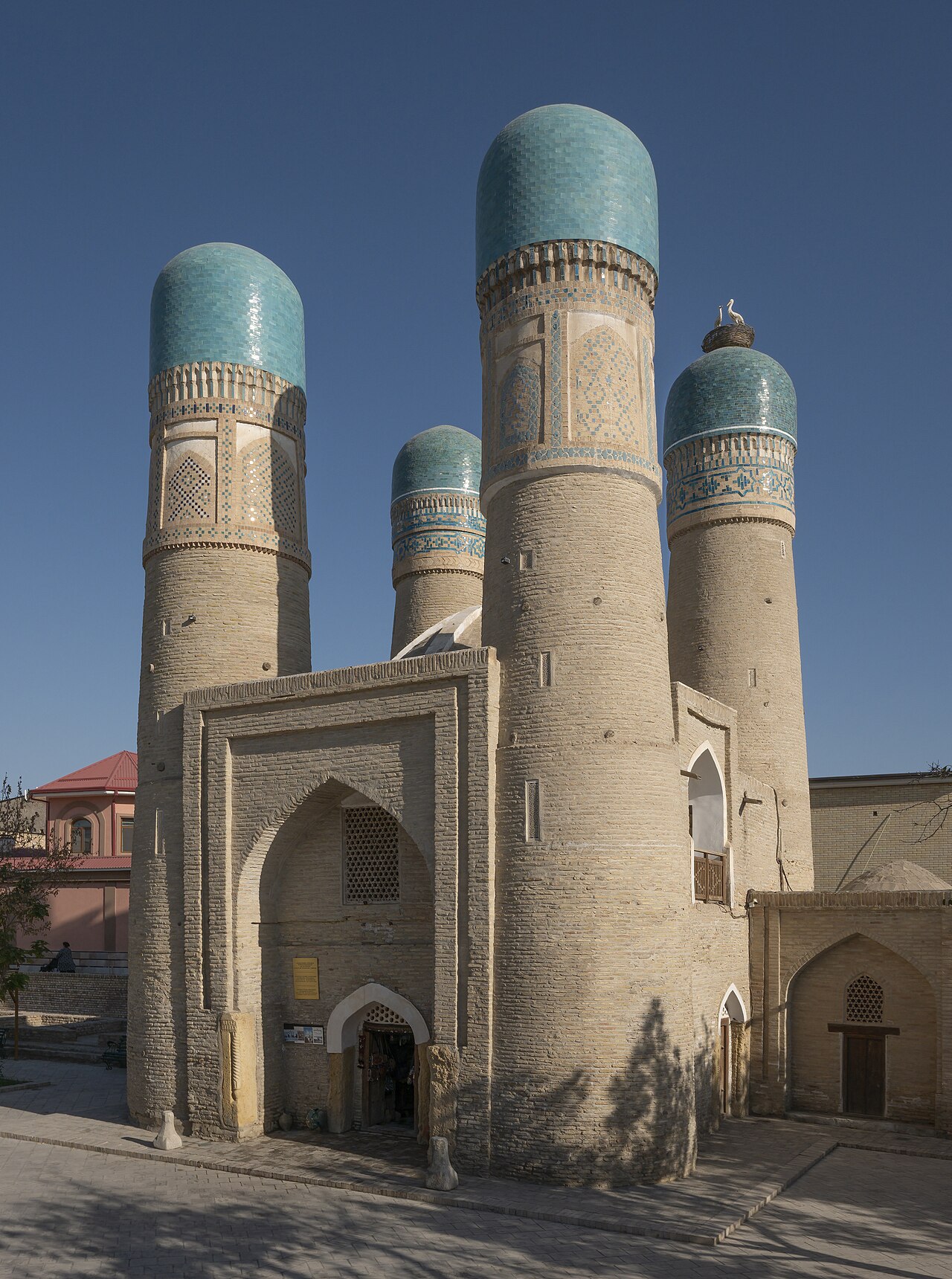
Itchan Kala is the walled inner town of Khiva, an oasis city that served travelers before the desert crossing toward Iran. UNESCO recognizes the ensemble for the coherence of its Central Asian Islamic architecture, even though relatively few buildings survive from the city's earliest periods. Mosques, madrasas, mausoleums and palaces occupy a shared urban setting inside substantial brick walls. The Juma Mosque and the palaces associated with Alla Kuli Khan are among its principal monuments. Looking at the whole town helps connect these buildings to one another: religious learning, burial, worship and government formed parts of an inhabited city rather than isolated attractions. The atlas treats Itchan Kala as an urban landscape through which more specific sacred places can be explored. Its value rests in those relationships and in the accumulated work of builders, residents and custodians across successive generations.
Place & context
Living use
Today it functions as a heritage city, pilgrimage and tourism destination, and architectural archive of Khorezmian Islamic civilization.
Place & context
Visiting with care
Consult the site’s official guidance before travel. Respect worship, photography restrictions and local custodians.
Medieval to early modern Khiva; UNESCO World Heritage Site
Location precision
Approximate orientation; confirm locally before visiting
Presence · An optional practice
A moment with this place.
Read, listen, or simply pause. Begin wherever you are.
◎
Read about this place from wherever you are. Look at the gates, courtyards and lanes in the images. How might an enclosed city shape a sense of arrival? You may pause quietly and breathe naturally, without changing or holding your breath.
A contemporary editorial invitation, not a local ritual instruction. Participation is optional; stop if uncomfortable. Check local access and custodians’ guidance before a visit.
Further profile layers will be added as sources are reviewed.
Nearby & related places
Start in the same state or country, then explore shared traditions and themes. Map references help order the suggestions; they may represent communities rather than entrances.